

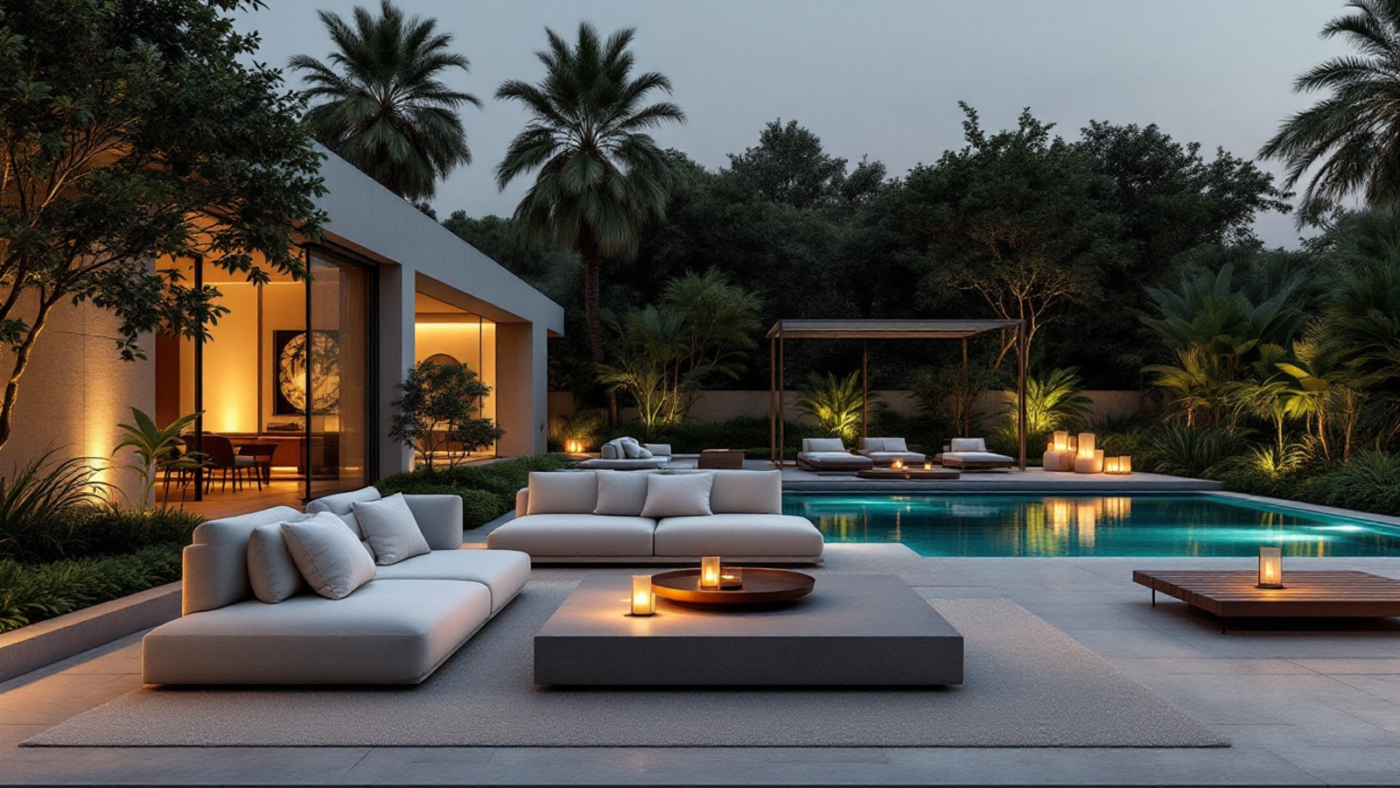
Luxury outdoor living in Lagos starts with climate, not furniture. A terrace, balcony, pool deck or garden room has to manage heat, rain, humidity, glare, insects, service routes and guests before the first sofa is chosen. If those basics are ignored, even beautiful pieces begin to look tired quickly.
For homes in Ikoyi, Victoria Island, Banana Island, Lekki and Abuja, the outdoor area often carries the same social pressure as the main living room. It is where guests arrive after dinner, where families gather in the evening and where poolside entertaining needs to feel relaxed without looking casual. The best spaces are planned like proper rooms.
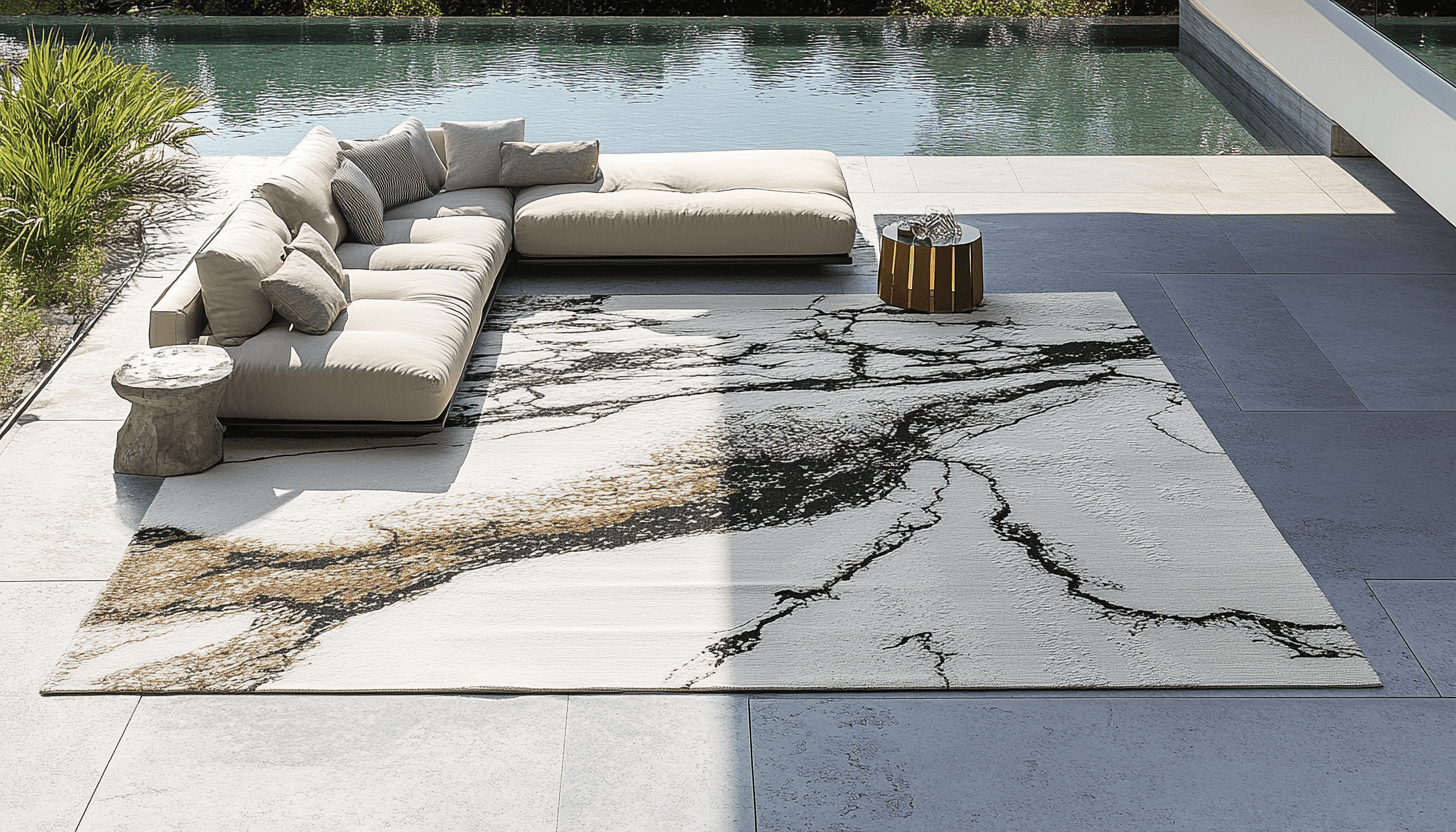
Treat the outdoor area as a second living room
The biggest mistake is treating outdoor furniture as an afterthought. A terrace with random chairs, one small table and harsh lighting will not support the way people actually host.
Start by deciding what the space has to do:
- Quiet morning coffee.
- Family lounging.
- Formal evening hosting.
- Poolside rest.
- Outdoor dining.
- Garden room entertaining.
- A shaded work or reading corner.
Each use needs different seating depth, surface height, lighting and circulation. A family terrace can be softer and more flexible. A formal garden room needs cleaner sightlines, stronger symmetry and better service access.
Design shade before seating
Shade is not decoration in Lagos. It is the difference between a space that gets used and a space that only photographs well.
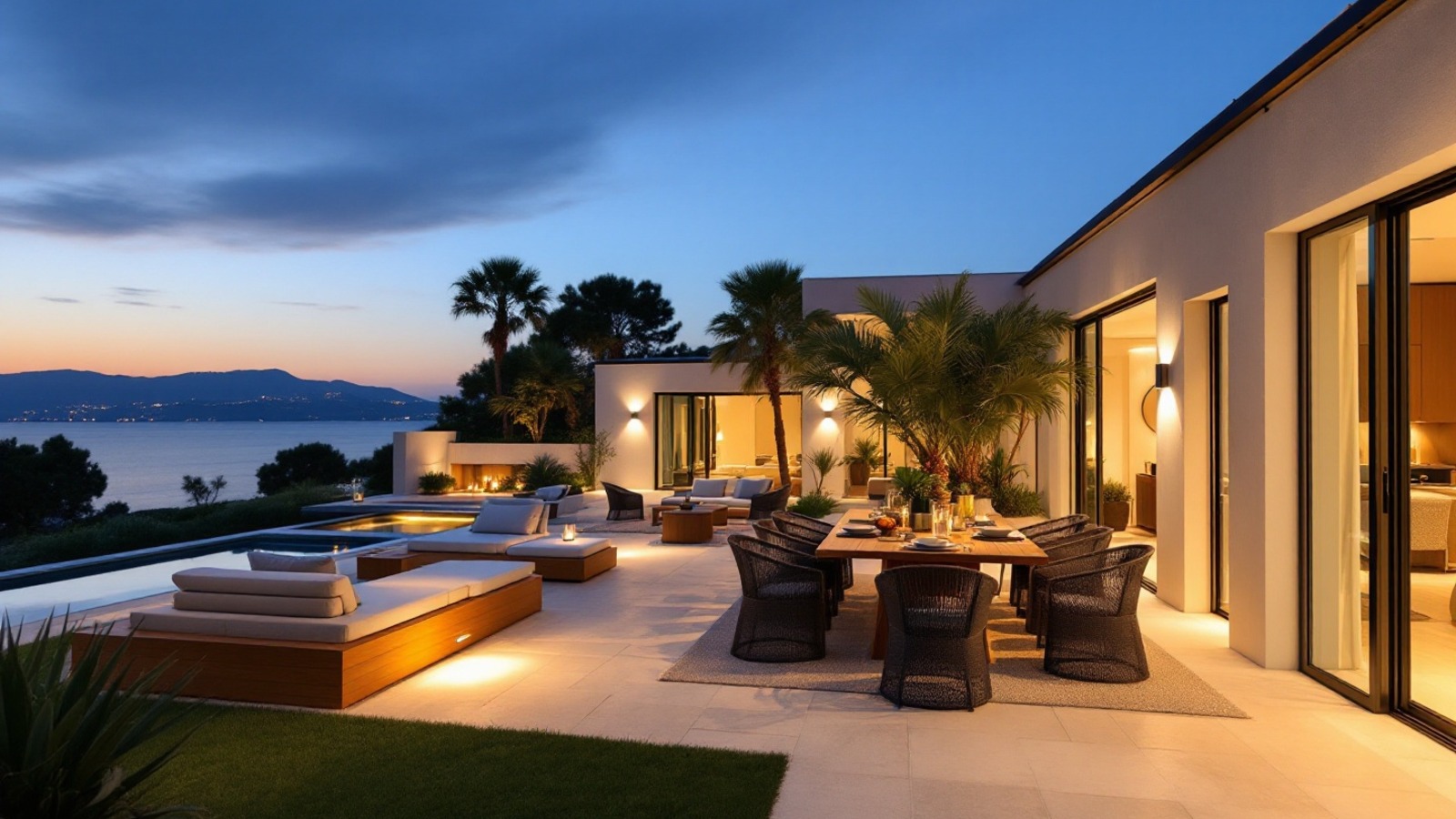
Good shade planning can include pergolas, deep roof overhangs, adjustable screens, planting, curtains and carefully positioned umbrellas. The right answer depends on orientation, afternoon sun, privacy, wind and how close the area sits to the pool or garden.
Shade should be considered with the furniture plan. If the shaded area only covers half the seating, guests will naturally avoid the exposed pieces. If shade blocks the best view or traps heat, the room will feel heavy. The goal is comfort without closing the space down.
Choose materials for humidity and daily use
Outdoor furniture in Nigeria needs discipline. The material has to cope with heat, moisture, dust, rain and regular cleaning. A chair that looks perfect in an air-conditioned catalogue image can fail quickly outside if the finish is wrong.
Strong options can include:
- Powder-coated aluminium for clean lines and lower maintenance.
- Treated teak or suitable hardwood where warmth is needed.
- Outdoor-rated woven materials from established furniture brands.
- Performance fabrics with removable cushions.
- Stone, ceramic or compact surfaces for tables.
- Rugs made specifically for exterior or covered exterior use.
Do not judge by appearance alone. Ask how the frame handles rain, how the fabric cleans, how cushions store, how metal finishes age and how heavy pieces need to be for exposed areas.
Make the pool deck practical before it becomes dramatic
Poolside furniture needs more than glamour. Guests need dry surfaces, shaded seating, towel storage, safe walkways and pieces that will not become awkward once the pool is in use.
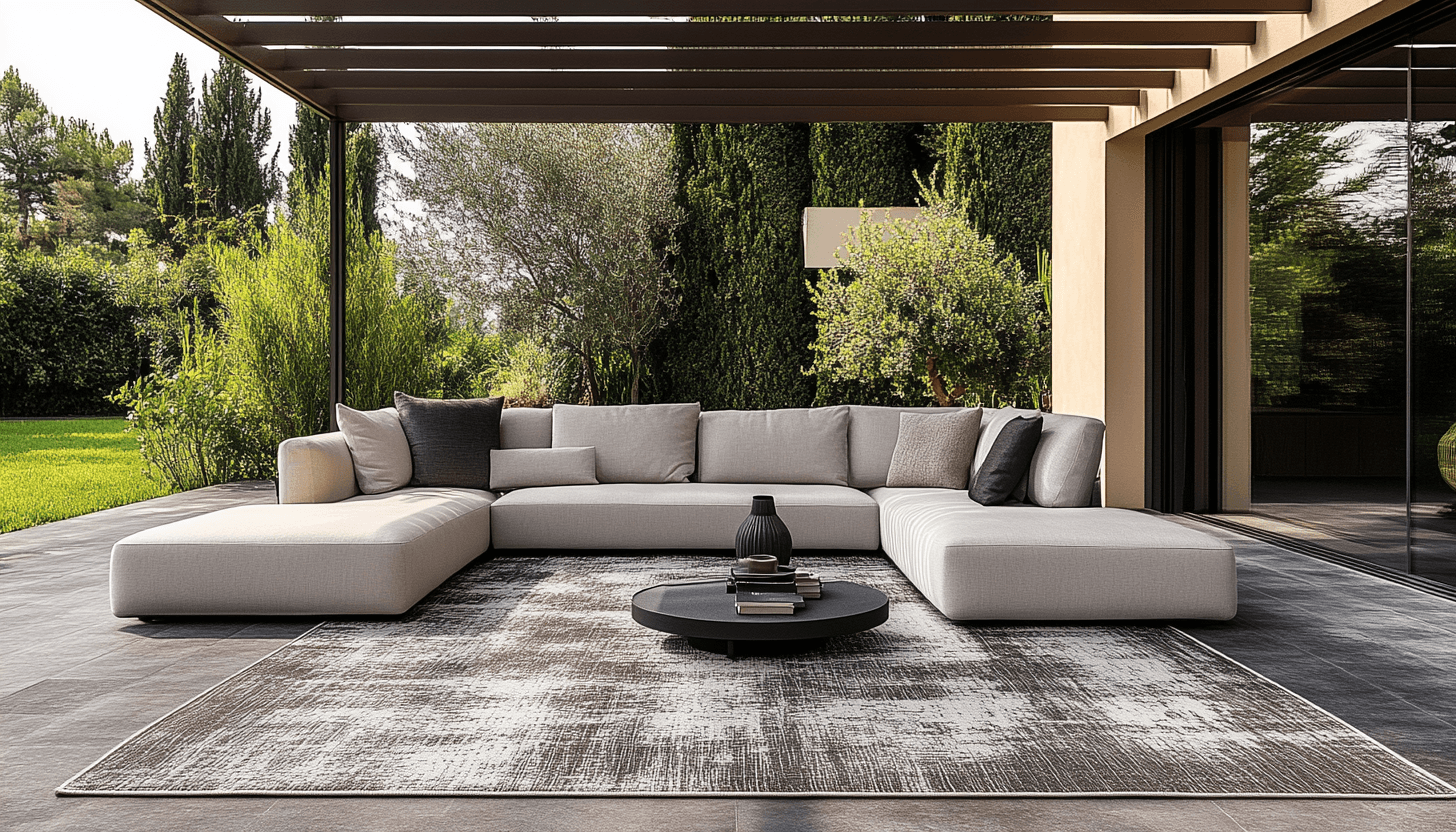
Plan the pool deck in zones:
- Loungers for sun and rest.
- Side tables for drinks and books.
- A shaded seating group near the pool but not blocking movement.
- A towel and storage point.
- A route from the house that does not cut through wet seating.
- Evening lighting that marks edges and steps clearly.
Avoid crowding the pool edge. A little breathing space makes the whole area feel more expensive because it lets the architecture, water and furniture work together.
Use outdoor dining when the service route makes sense
Outdoor dining sounds simple until food, drinks, plates, heat and movement are involved. The dining area needs to sit close enough to the kitchen or service point to be useful, but not so close that it blocks the main doors.
A strong outdoor dining plan checks:
- Table size against real guest numbers.
- Chair comfort for long meals.
- Shade during the main time of use.
- Lighting above or around the table.
- Floor finish under chair legs.
- Space for staff or family movement.
- Storage for cushions and table dressings.
If the dining area is far from the house, add a console, sideboard or serving surface. Without that, every meal becomes a shuttle route.
Layer lighting so the space works after dark
Outdoor lighting should not feel like a security floodlight. It should guide movement, frame planting, reveal textures and make faces look good around a table or seating group.
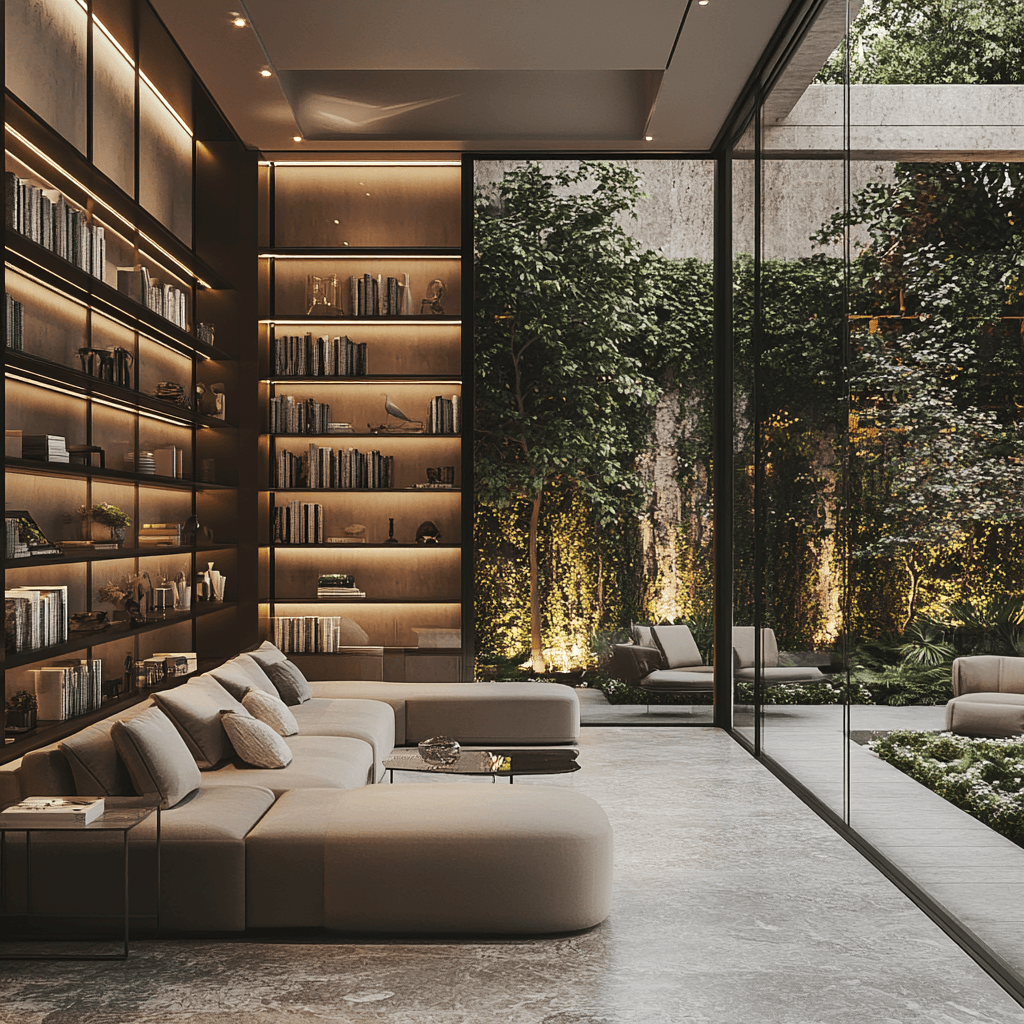
A better plan uses layers:
- Low-level path lighting.
- Wall washing for architectural surfaces.
- Soft lighting near seating.
- Table light for dining.
- Pool edge and step lighting for safety.
- Feature lighting for trees or garden walls.
Warm lighting usually suits evening hospitality better than cold white light. Controls matter too. The family dinner setting should not be the same as the late-night poolside setting.
Connect indoor and outdoor finishes
The transition from living room to terrace should feel deliberate. If the indoor space uses calm stone, warm timber and tailored upholstery, the outdoor zone should answer that language rather than fight it.
That does not mean matching every colour. It means coordinating undertones, metal finishes, rug scale, cushion colours and table materials. A terrace becomes stronger when it feels like part of the home’s design story.
For Nigerian homes, this connection is useful because many gatherings move between indoor and outdoor areas. The furniture should support that movement, not create two unrelated worlds.
Build in storage from the start
Outdoor rooms collect objects. Cushions, covers, pool items, candles, trays, games, throws and cleaning tools all need a place to go.
Storage can be discreet:
- Weather-aware cabinets in a covered area.
- Benches with concealed compartments.
- A service console near dining.
- Basket storage for towels.
- A protected cushion store for heavy rain.
If storage is not planned, the terrace will either look messy or depend on someone carrying everything inside after every use.
What FCI Nigeria would plan first
Before selecting outdoor furniture, resolve the fundamentals:
- Orientation and shade.
- Main hosting use.
- Seating capacity and circulation.
- Pool, dining and garden zones.
- Material durability.
- Lighting scenes.
- Storage and service routes.
- Connection to the interior scheme.
This sequence protects the budget. It also makes procurement clearer because every chair, table, rug and light has a defined job.
Conclusion
A luxury outdoor living space in Lagos should feel calm, durable and ready for real use. The best terraces and pool decks are not created by buying expensive outdoor pieces. They come from planning shade, materials, seating, lighting, storage and service flow as one design system.
Speak with FCI Nigeria about planning a terrace, pool deck, garden room or full outdoor living scheme for a high-end home in Lagos or Abuja.
Get in touch
Want to get in touch? We'd love to hear from you. Email us at [email protected]
Sign Up for Newsletter