


TL;DR: Nesting tables suit a Lagos living room when every table is stable, useful on its own and easy to park without blocking the room.
Key takeaways
- Measure the set while nested and while fully separated.
- Check the height, reach and stability of every individual table.
- Choose surfaces for real drinks, serving and cleaning, not showroom lighting alone.
- Plan where the smaller tables will stand when guests are using them.
- Confirm packed dimensions and delivery access before ordering.
What are nesting tables?
Nesting tables are two or more tables designed to overlap or tuck beneath one another. They provide several usable surfaces while occupying a smaller footprint when grouped.
That flexibility is the appeal. It is also the test. A set that looks compact only when perfectly arranged may become three unrelated obstacles once ordinary life begins.
For a Lagos living room used for regular hosting, the useful question is not simply whether the tables nest. It is whether each table has a clear job beside a sofa, armchair or guest seat.
Do nesting tables save space?
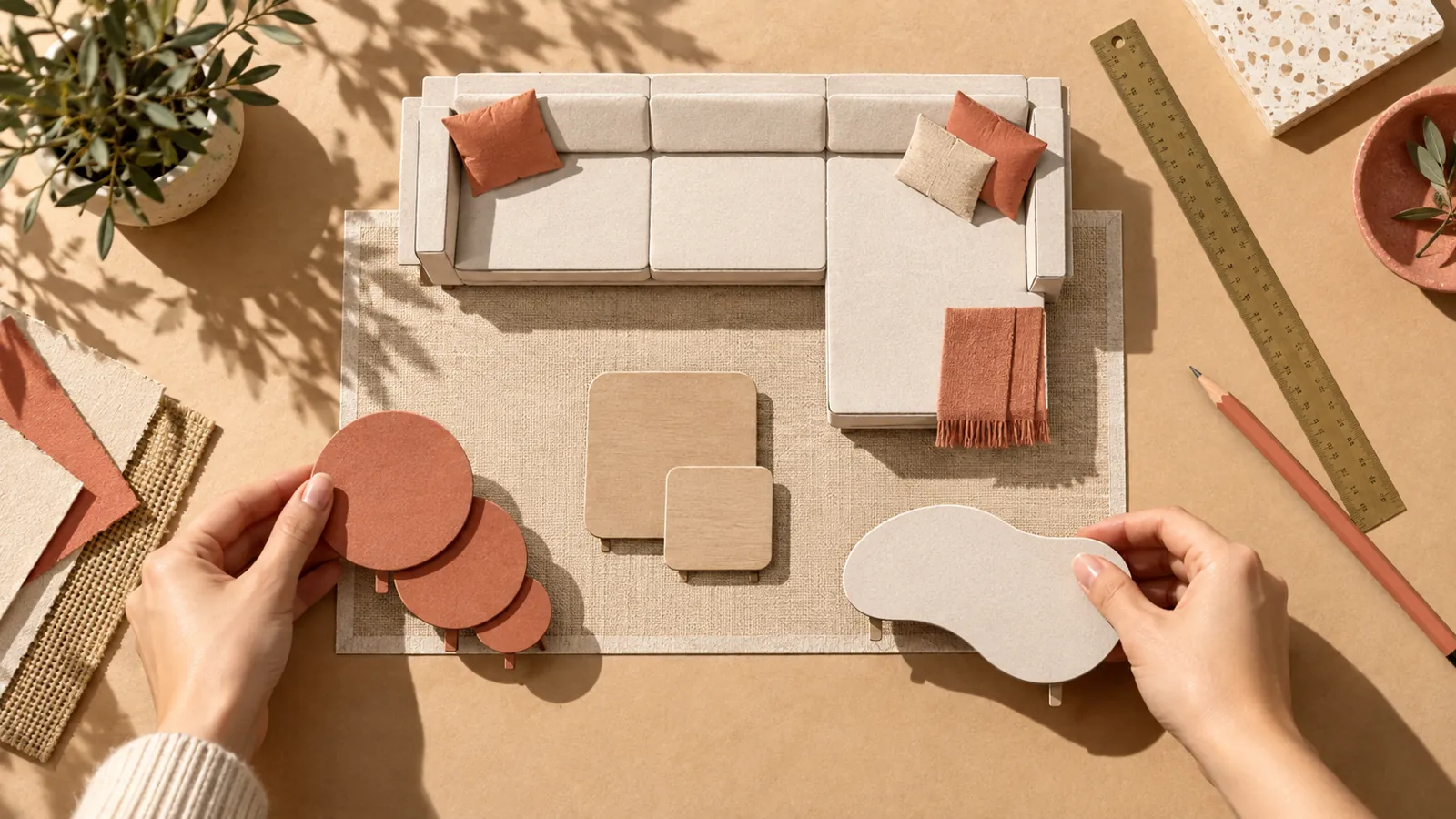
Nesting tables save fixed floor space only when the smaller pieces can return beneath the larger one easily. They do not reduce the space needed while all the tables are in use.
Mark both layouts on the floor. First tape the complete nested footprint, including projecting legs. Then mark likely positions for every separated table and walk the usual routes between seats, doors and the television wall.
This is where a flexible product either earns its name or merely brings additional furniture to the meeting. FCI Nigeria's coffee table Lagos guide explains how to test a central table against seating and circulation before buying.
Which sizes should you compare?
Compare the overall width, depth and height of the nested set, then record those dimensions for each separate table. The smallest table still needs enough usable surface for its intended task.
Check how far the legs or base project beyond the top. A compact top with a wide base may consume more floor than the photograph suggests. Also check whether the lower tables slide out from one direction or need clear space on several sides.
Sit in every relevant chair and test reach with a cardboard template. A table should be convenient without forcing the user to lean across a gap or trapping knees when they stand.
How can you judge stability?
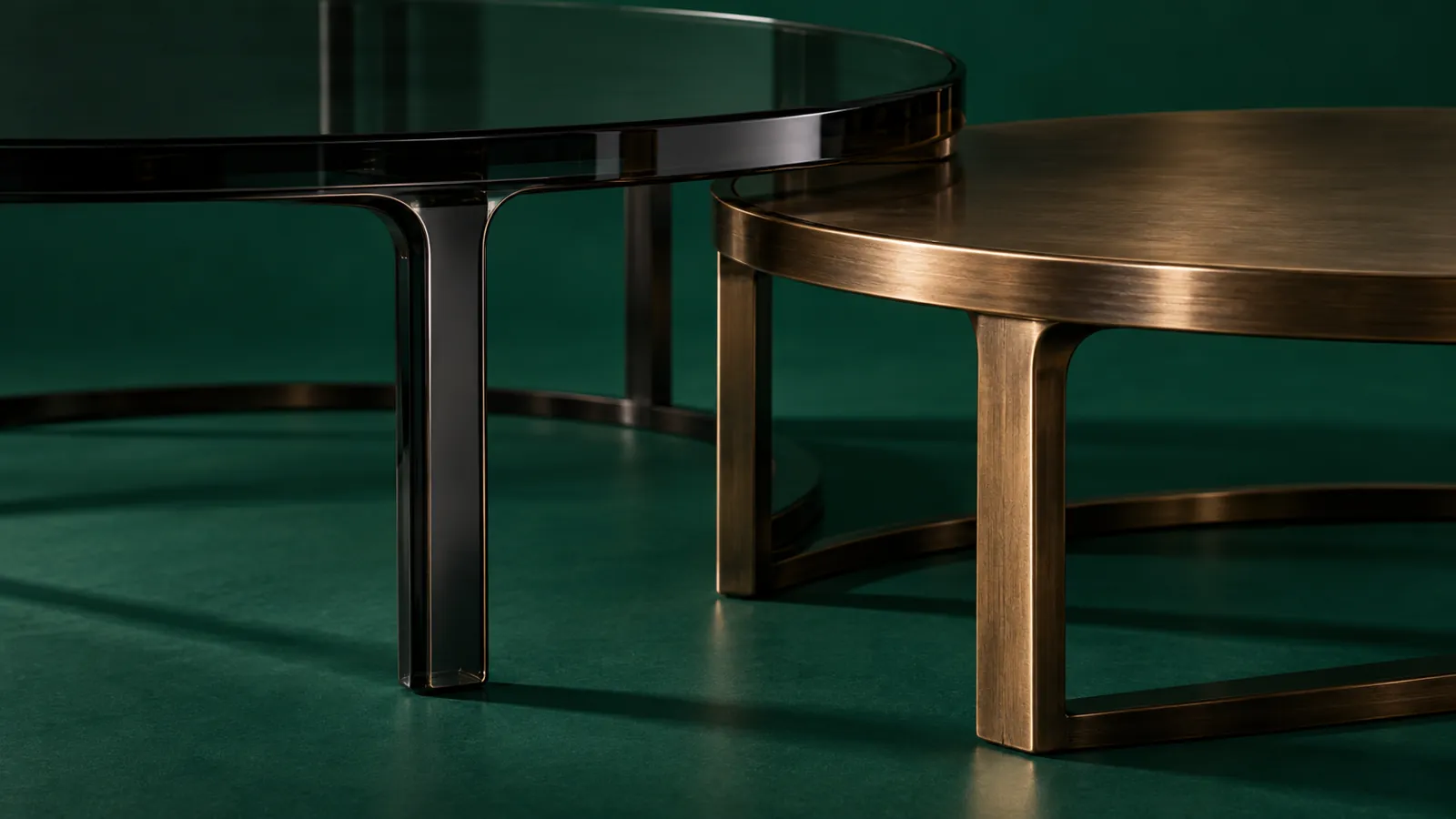
Judge every table separately on a level floor and with the sort of load it will carry. Press gently near the edge, check for rocking and examine how the base meets the floor.
A nested set can feel solid while grouped because the pieces visually support one another. That appearance proves very little about the smallest table across the room with a drink on it.
Ask whether adjustable feet are included and whether the surface must remain perfectly level for the pieces to slide together. If rugs are involved, test the table on the actual pile or on a comparable sample.
Which materials work for real hosting?
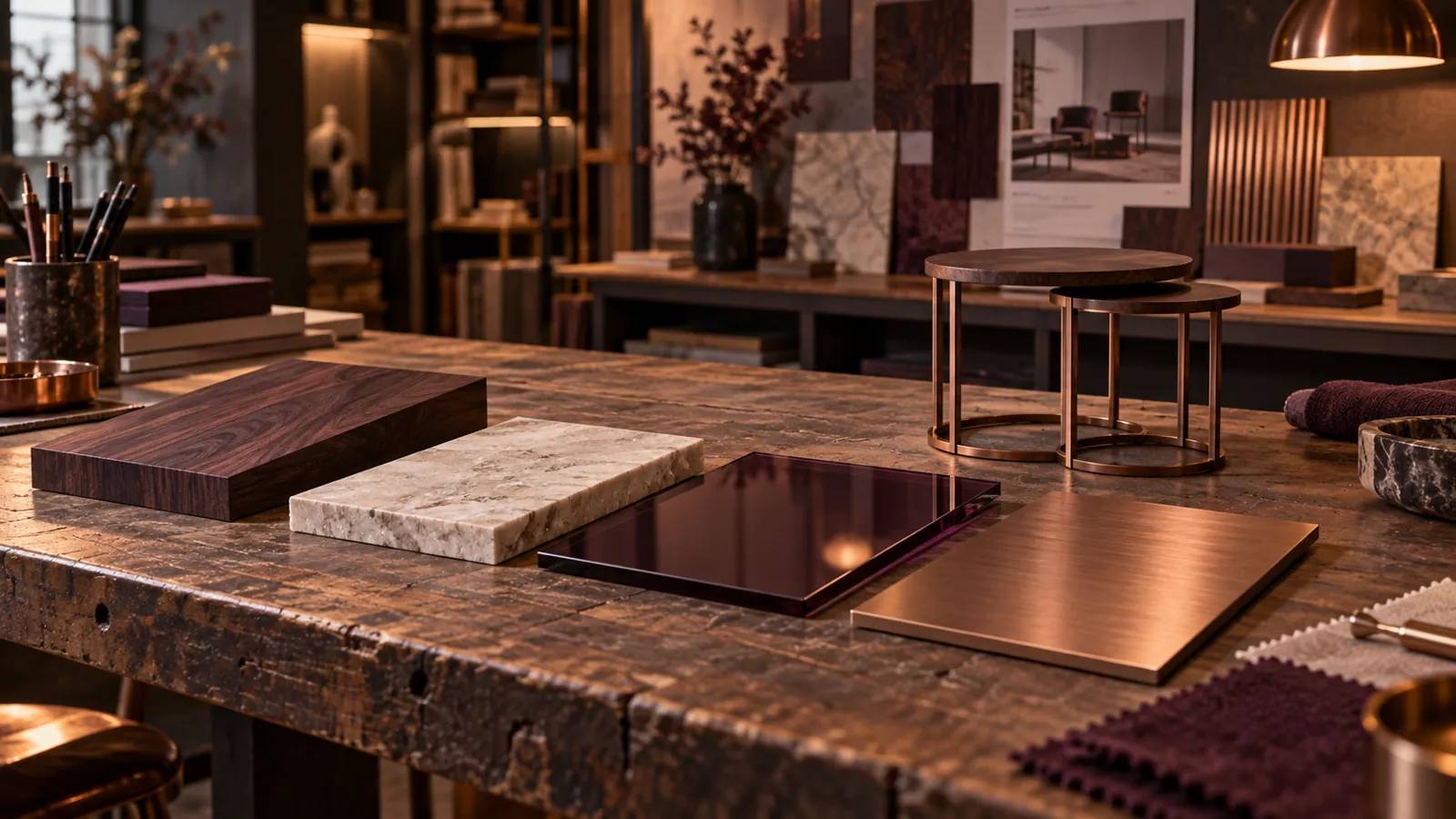
Choose materials by use, maintenance and movement. Glass can look visually light but shows fingerprints and needs careful edge handling. Stone can feel substantial but adds weight. Timber and veneer need a clear finish and care specification. Metal bases need a stable construction and a finish suited to the setting.
Ask for the exact top material, base material, finish, edge detail and cleaning guidance in writing. The word marble-look is a description, not a material specification wearing a dinner jacket.
Use coasters or trivets where the maker recommends them. Do not assume a decorative surface is suitable for heat, acidic spills or harsh cleaning products.

How should a set work with your sofa?
The tables should support the seating arrangement rather than compete with it. A larger table can serve the main sofa while smaller pieces move beside occasional chairs during gatherings.
Compare top height with the seat and arm heights. Then test whether a table can approach the chair without colliding with its base, recliner mechanism or projecting cushion.
If the sofa layout changes, map each common arrangement. FCI Nigeria's luxury furniture brief guide shows how daily use, hosting and room movement belong in the buying brief.
What should the supplier confirm?
The supplier should confirm the number of pieces, exact dimensions, materials, finish, care guidance, packed sizes, delivery scope and aftercare. Product photographs should not be asked to carry this entire administrative burden.
Request close views of edges, joints and the mechanism by which the tables overlap. Confirm whether pieces arrive assembled and how replacement feet or surface repairs would be handled.
For a considered proposal, contact FCI Nigeria with room photographs, measurements, rug details and the uses each table must support.
Limitations
This guide cannot assess a particular set without its specification or confirm suitability for a specific household. Dimensions, finishes, maintenance needs and delivery conditions vary by model and project. Always use the supplier's current written specification and care instructions.
What is the next sensible step?
Tape out the nested and separated layouts, then list what each table must hold. Take that plan, photographs and access measurements to the supplier before choosing the finish.
Sources
- Coffee Table Lagos: Get Scale Right, FCI Nigeria. Published room-planning and coffee-table guide.
- Luxury Furniture Lagos: Start With the Brief, FCI Nigeria. Published procurement brief guide.
- Contact FCI Nigeria, FCI Nigeria. Current consultation and service route.
Get in touch
Want to get in touch? We'd love to hear from you. Email us at [email protected]
Sign Up for Newsletter