

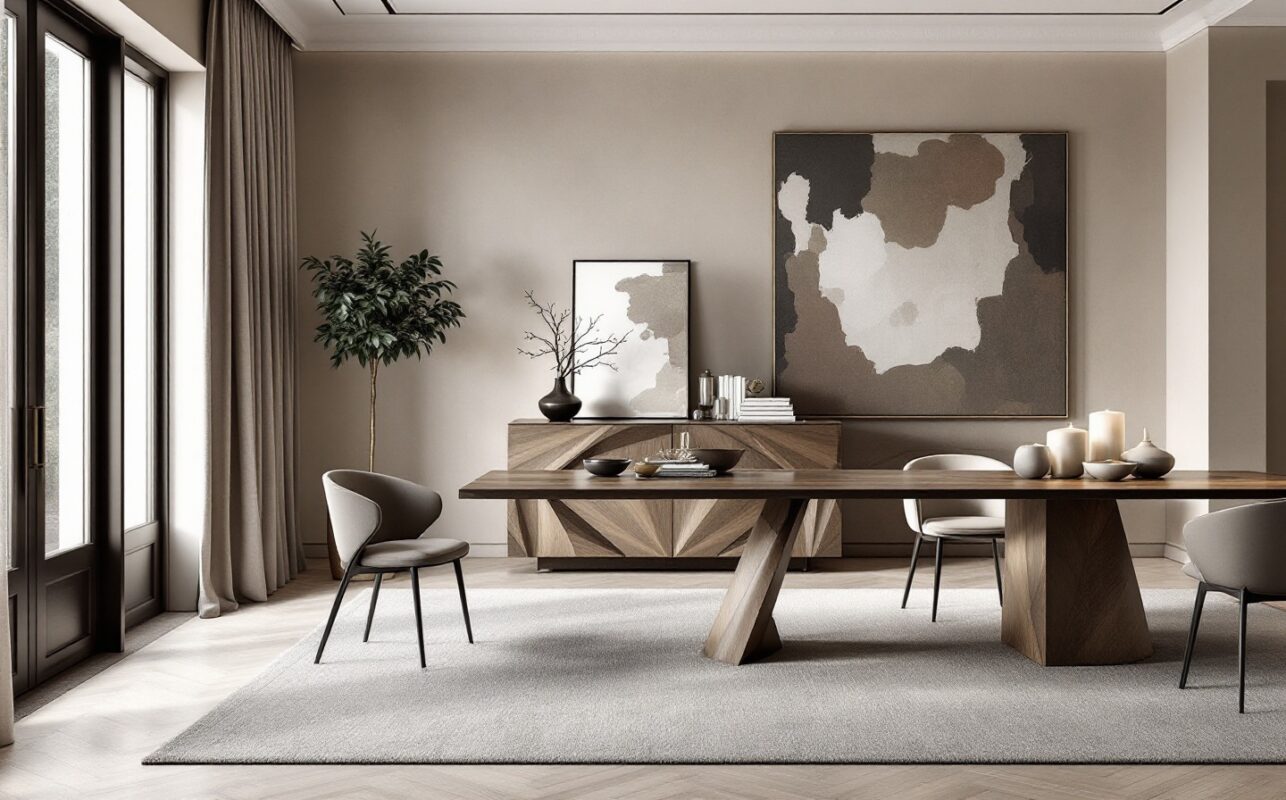
Luxury Sideboards for Lagos and Abuja Homes: Storage, Scale and Dining Room Flow
A sideboard is one of those pieces that looks simple until it is wrong. Then it becomes impossible to ignore.
Choose it well and the room feels calmer, better organised and more complete. Choose it badly and the dining room suddenly has a bulky cabinet blocking the flow, a living room has storage that looks too small for the wall, or a hallway has a beautiful piece doing absolutely nothing useful.
For Lagos and Abuja homes, sideboards are especially useful because they sit at the meeting point between storage, hosting, display and proportion. They can support a dining room, finish a living room, organise a corridor or create a more composed entrance. The key is to treat the sideboard as part of the interior plan, not as leftover storage.
Start with the room, not the cabinet
A sideboard should answer a room problem.
In a dining room, the problem might be serving space, tableware storage and a surface for lamps or artwork. In a living room, it might be hidden storage without adding a tall cabinet. In an entrance hall, it might be a visual anchor that makes the space feel intentional. In an open plan home, it might divide zones without building a wall.
That means the first question is not which finish looks expensive. The first question is what the piece must do.
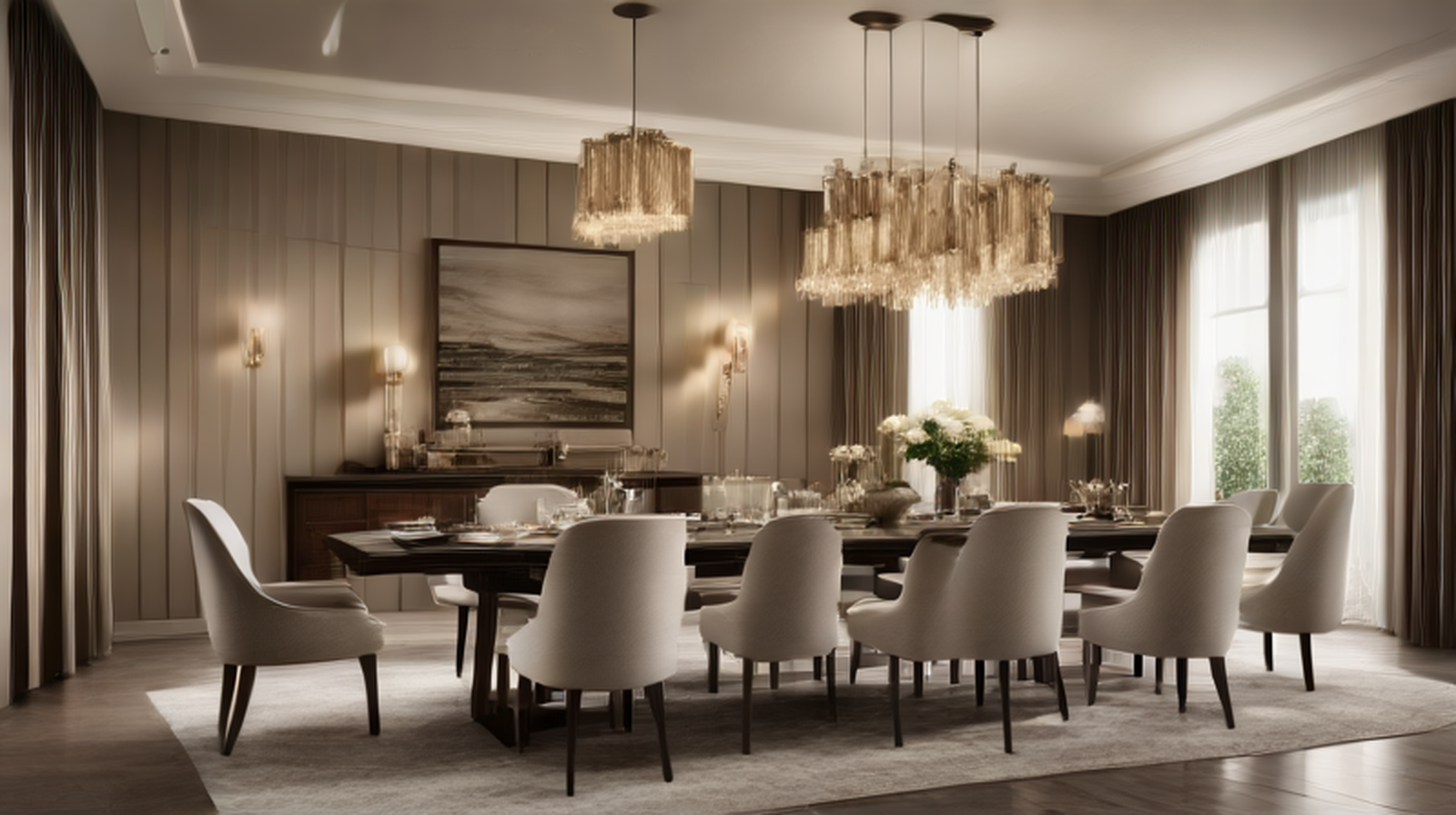
A useful brief should answer five things:
- What will be stored inside it?
- How much wall space is available?
- Does the room need visual weight or a lighter profile?
- Will the top be used for serving, display, lamps or artwork?
- How does the piece affect movement through the room?
Once those answers are clear, the right size, depth, door style and finish become easier to judge.
Scale is where sideboards win or fail
Sideboards are horizontal pieces, so width matters.
A small sideboard on a large dining room wall can look nervous. A very long sideboard in a tighter room can feel like a barrier. A deep unit in a narrow walkway can make the space awkward every day, even if it looked excellent in a showroom photograph.
For a Lagos dining room with a large table, the sideboard should feel related to the table length without copying it. It needs enough width to balance the wall and enough clearance for chairs, servers and guests moving around the table. In a living room, it should sit comfortably with the sofa, rug, TV wall or artwork. In a hallway, depth is often more important than width because circulation is the real test.
A good sideboard feels as if the room expected it. It should not feel squeezed in, apologetic or oversized for drama.
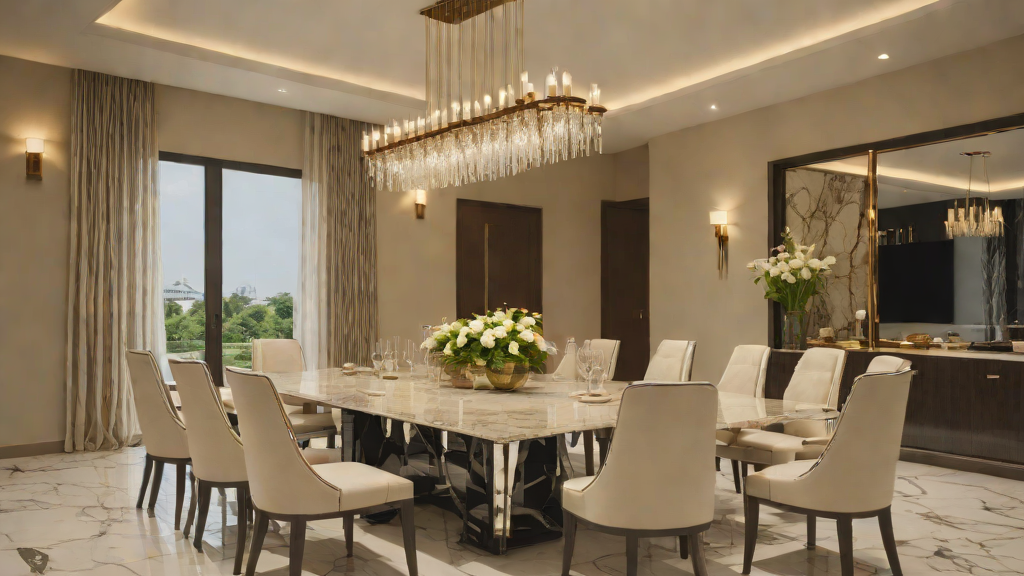
Storage needs to be honest
Beautiful storage that does not store the right things is just furniture with excellent confidence.
Before choosing doors, drawers or open shelving, decide what the sideboard needs to hold. Dining rooms may need space for plates, serving dishes, linen, glassware and occasional pieces used for hosting. Living rooms may need hidden storage for remotes, games, books, cables or smaller household items. Entrance halls may need drawers for practical clutter that should not be visible from the front door.
Doors create a cleaner look and hide larger items. Drawers are better for smaller pieces. Open sections can add display, but too much open storage can become visual noise. The best sideboards usually combine useful internal storage with a refined external appearance.
This is especially important in high value homes where the aim is not simply to own more furniture. The aim is to make the room work better without looking busy.
Materials should suit the room's rhythm
Sideboards carry a lot of visual surface. Wood, lacquer, marble, glass, metal and leather details all change the tone of the room.
A dark timber sideboard can add depth to a pale dining room. A lighter finish can stop a compact living room from feeling heavy. A marble top can connect with dining tables, flooring or kitchen finishes. Metal details can pick up lighting, handles or chair frames. Textured doors can add interest without relying on loud colour.
The safest mistake is to match everything. The better approach is to connect materials carefully.
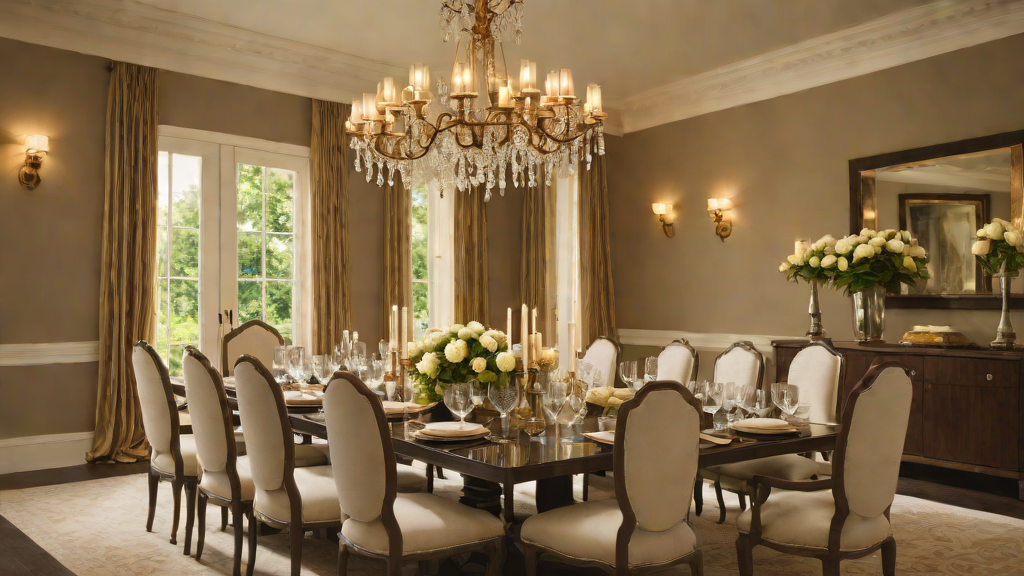
A sideboard does not have to be the same finish as the table. It should belong to the same story. If the dining table is already bold, a quieter sideboard may be stronger. If the room is restrained, the sideboard can bring texture, depth or a more sculptural line.
Think about the wall above it
A sideboard is rarely seen alone. The wall above it matters.
Artwork, mirrors, lamps, wall lights and decorative pieces can all make the sideboard feel complete. But this is where restraint matters. A sideboard overloaded with accessories quickly becomes a display shelf with storage underneath.
For formal dining rooms, a large artwork or mirror can create balance. For living rooms, lamps and a few considered objects may be enough. For entrance halls, one strong piece above the sideboard often works better than several small items fighting for attention.
The height of the sideboard should also allow the wall above to breathe. If the unit is too tall, styling becomes awkward. If it is too low, the room can feel unfinished.
Sideboards and dining room flow
In dining rooms, a sideboard has to support hosting without blocking it.
There should be enough clearance between the dining table and sideboard for chairs to move comfortably. The top should be practical for serving or display. The storage should keep the items used in that room close to hand. If the sideboard sits too near the table, the room may look furnished but feel inconvenient.
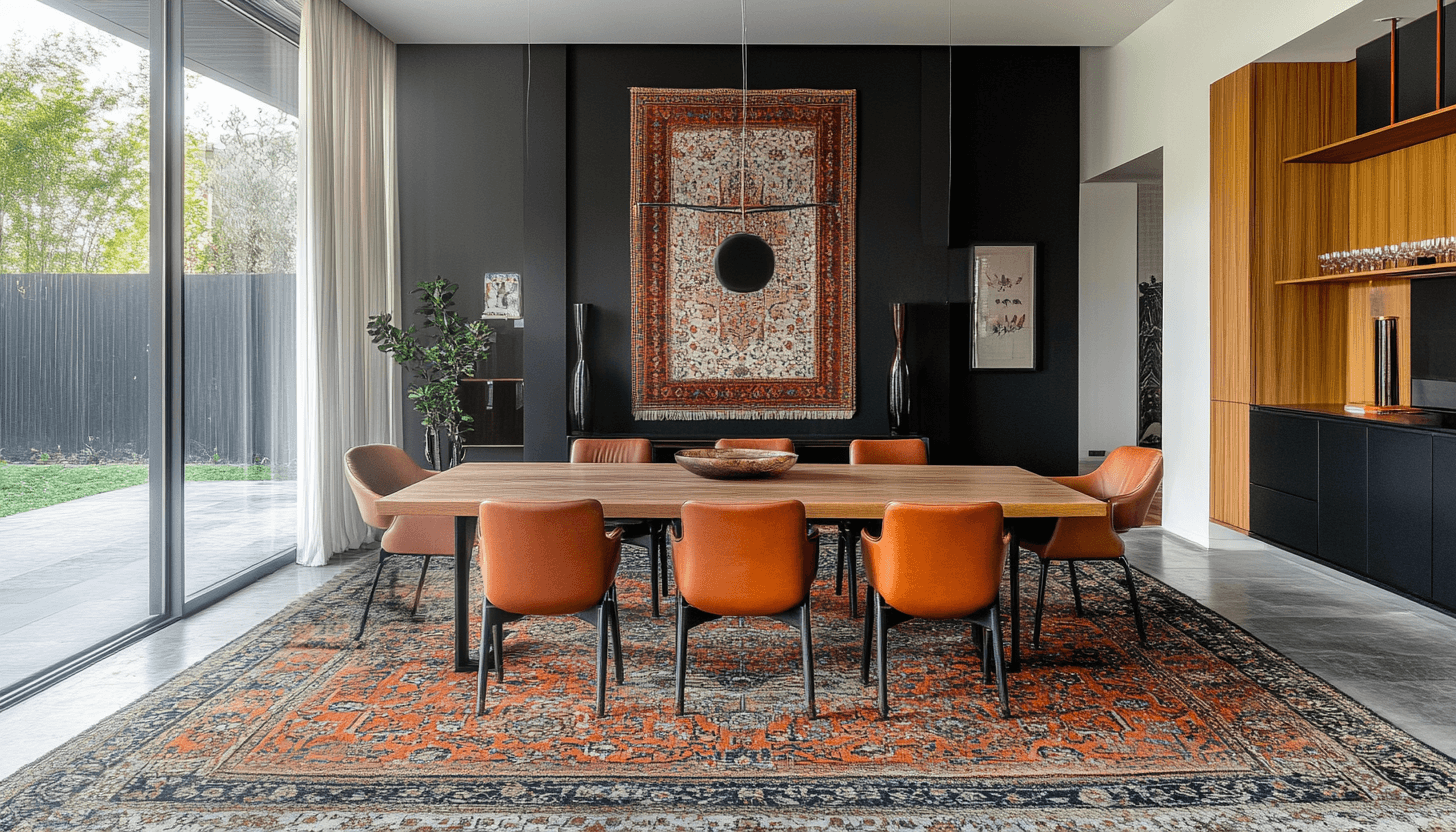
This is where proper room planning matters. A dining table, chairs, rug, lighting and sideboard all affect each other. The table size determines chair movement. The rug affects the visual footprint. The pendant light defines the centre. The sideboard finishes the wall and adds support. Treating each piece separately is how rooms end up technically expensive but strangely uncomfortable.
Sideboards in living rooms and open plan spaces
A sideboard can be a useful alternative to a tall cabinet in a living room. It gives storage without closing the room in.
In open plan Lagos homes, it can also help define a zone. A low sideboard behind a sofa, along a dining wall or near a walkway can create order without building visual barriers. It can also balance a TV wall, support artwork or create a quieter storage layer near seating.
The important detail is proportion. If the room already has large sofas, strong rugs and statement lighting, the sideboard should not add clutter. It should bring calm structure. If the room feels empty, a stronger sideboard can give the wall purpose.
The FCI Nigeria approach
FCI Nigeria works across luxury furniture, interior design, rugs, wardrobes, curtains, dining furniture and full room planning. That wider view is useful because a sideboard is never just a cabinet.
It changes how the dining table feels. It affects the rug size. It may influence wall art, lighting, traffic flow and the way a room supports hosting. It can hide clutter, create symmetry and give a wall a reason to exist.
If you are planning a Lagos or Abuja home and want to speak to FCI Nigeria, choose the sideboard while the room is still being planned. Not when the space is finished and everyone suddenly realises the plates, glassware and practical details still need somewhere to go.
Get in touch
Want to get in touch? We'd love to hear from you. Email us at [email protected]
Sign Up for Newsletter