

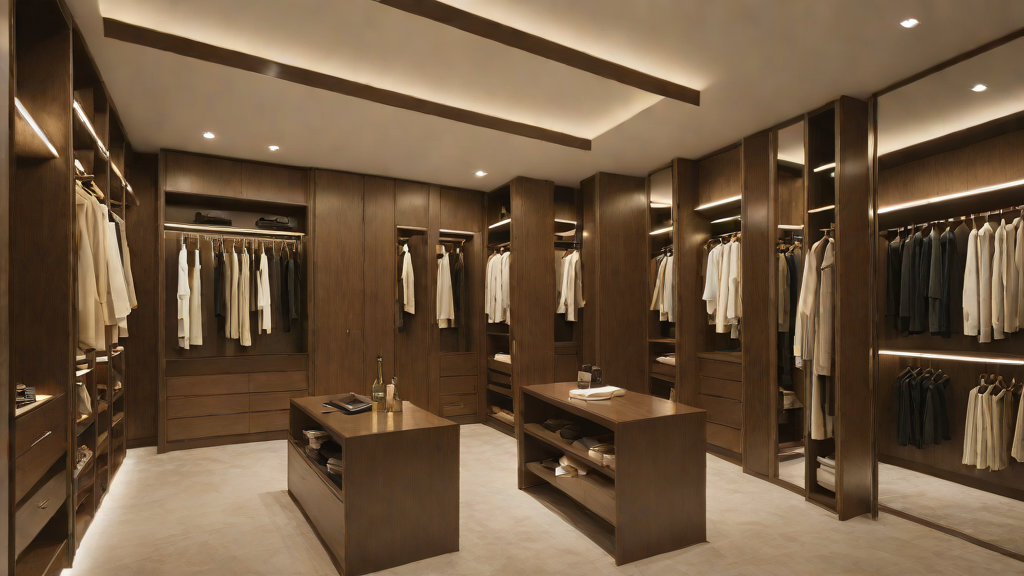
Luxury dressing room design in Lagos works best when the room is planned as part storage system, part private boutique, and part daily routine hub. In Ikoyi, Victoria Island, and Banana Island homes, the issue is rarely whether there is enough space. The real issue is whether the space has been organised with the right proportions, lighting, and joinery discipline. A dressing room can look expensive in photographs and still feel frustrating every morning if circulation is tight, accessories disappear into deep drawers, or mirrors sit in the wrong light.
That is why serious homeowners now treat the dressing room as a design project in its own right. Knight Frank’s Wealth Report 2025 notes that affluent buyers continue to favour turnkey homes with stronger lifestyle functionality, while Savills’ 2025 prime market outlook points to quality, efficiency, and long-term usability as value drivers in premium property. In practice, that means the best luxury dressing room design in Lagos is not about excess. It is about a layout that feels calm, precise, and unmistakably bespoke.
If you are planning a new villa, penthouse, or renovation, FCI Nigeria can align your wardrobe layout with our bespoke joinery service and broader luxury interiors expertise.
Why luxury dressing room design in Lagos needs a different approach
Luxury dressing room design in Lagos has to respond to climate, lifestyle, and the way premium homes are actually used. These rooms often carry more than clothing. They hold watches, jewellery, handbags, occasionwear, seasonal pieces, fragrance collections, and private fitting space. In many high-end Nigerian homes, the dressing room also acts as a transition space between bedroom and bathroom, which means flow matters as much as storage volume.
Lagos conditions also change the specification. Strong daylight can fade fabrics over time. Humidity can affect poorly detailed joinery. Dust exposure means open shelving has to be used selectively rather than everywhere. A well-designed room solves those realities quietly with better material choices, controlled lighting, and enclosed storage where it matters most.
Start with circulation and proportions, not finishes
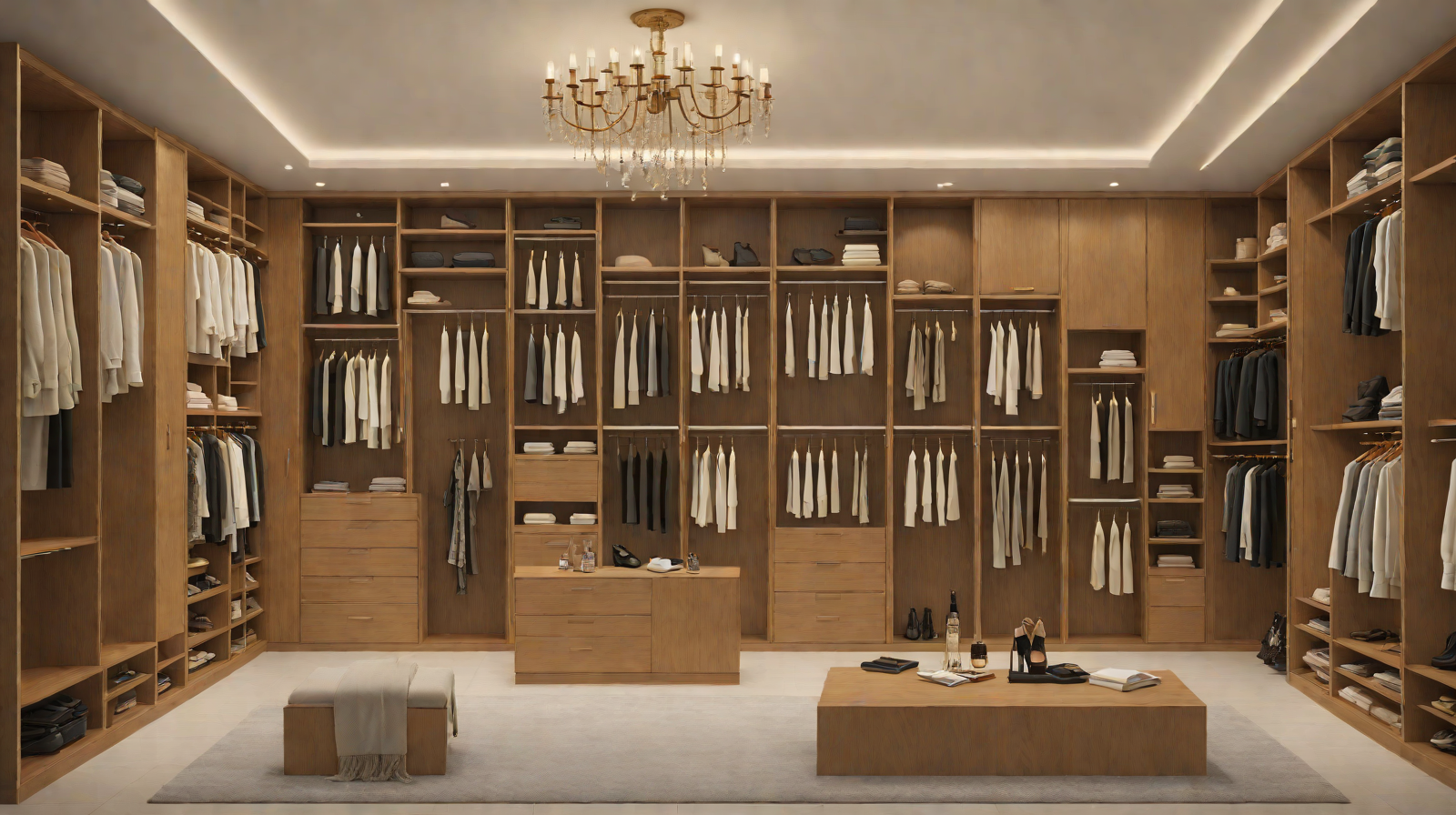
The smartest starting point is movement. Before choosing veneer, glass, or hardware, decide how the room should be used every day. A hanging rail generally needs about 600 mm of internal depth to work properly, and a central island typically needs roughly 900 to 1200 mm of circulation around it to feel comfortable rather than cramped. Those measurements sound simple, but they determine whether the room feels graceful or awkward.
Long hanging for gowns and kaftans, double hanging for shirts and trousers, shallow drawers for jewellery, ventilated sections for shoes, and seated dressing areas should all be planned deliberately. A luxury room is not one with the most compartments. It is one where each compartment earns its place.
Joinery is what separates a fitted wardrobe from a true dressing room
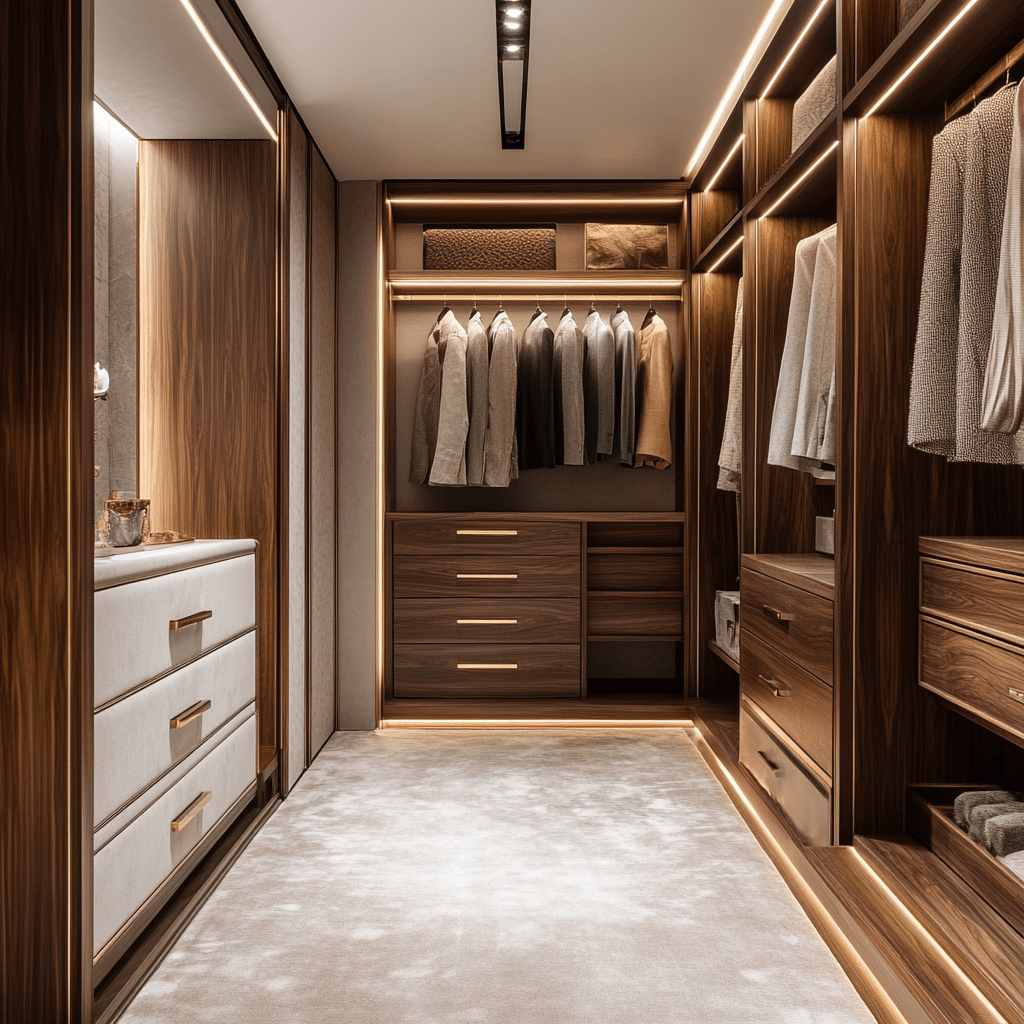
A real dressing room should feel tailored to the owner, not copied from a catalogue. That is where bespoke joinery becomes the difference-maker. Precision joinery allows you to create handbag displays with integrated lighting, velvet-lined watch trays, pull-out trouser racks, mirror-backed display niches, concealed safes, and wardrobe doors detailed to match the bedroom architecture.
This is also where luxury becomes visible in a quieter way. Soft-close systems, consistent shadow gaps, book-matched veneers, leather pulls, fluted glass, and interior lighting that turns on only where needed all contribute to the sense of craftsmanship. When these details are handled well, the room feels more like a private suite than a storage zone.
Lighting makes the room useful and expensive-looking
Lighting is one of the most underrated parts of luxury dressing room design in Lagos. It is also one of the fastest ways to expose bad planning. A single ceiling fixture creates shadows on the face and inside shelves. Good dressing room lighting should be layered. Ambient lighting gives the room an even glow, task lighting helps with grooming, and accent lighting turns displays into focal points.
LED strip lighting in joinery works particularly well because it adds clarity without heat build-up. Backlit mirrors are useful for grooming, while dimmable circuits help the room transition from bright morning use to softer evening use. If the room has daylight, mirror placement should be planned so colours read accurately.
Choose materials that can handle Lagos life
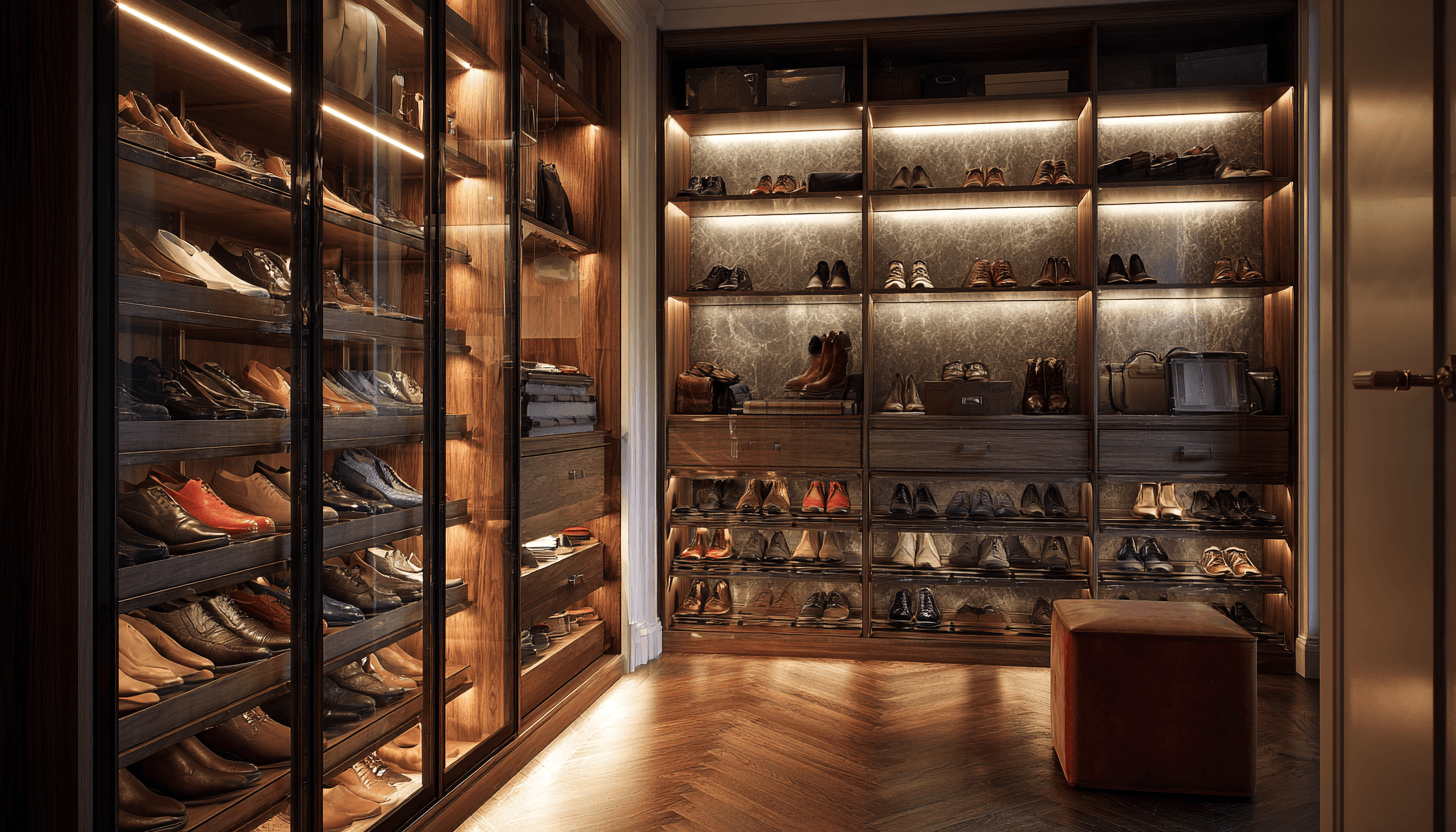
Material selection has to balance glamour with durability. High-gloss lacquer can look sharp, but it shows fingerprints and hairline marks faster than more forgiving finishes. Natural veneers add warmth and depth, especially in richer walnut and smoked oak tones, but they need proper sealing and careful detailing. Bronze-tinted glass, textured laminates, suede-effect linings, and brushed metal hardware often perform well because they deliver luxury without demanding constant maintenance.
The best combinations are usually restrained. One expressive timber, one calm painted finish, one metal accent, and one tactile interior lining are often enough. Too many materials make the room feel busy. In a premium Lagos home, restraint reads as confidence.
What to include in a high-performing dressing room
The strongest dressing rooms usually combine beauty with a few practical decisions that owners appreciate every day:
- Full-length mirrors plus a seated mirror zone for detailed styling.
- A closed section for dust-sensitive garments and open display only for hero items.
- Drawer organisers for watches, cufflinks, jewellery, and fragrance.
- Dedicated shoe storage with ventilation and easy visibility.
- An island or peninsula with shallow drawers for accessories, if space allows.
- Integrated power for steamers, grooming tools, or charging drawers.
These choices matter more than oversized decorative features. The room should make dressing easier, faster, and calmer. That is the real brief.
How this works in Ikoyi, Victoria Island, and Abuja projects
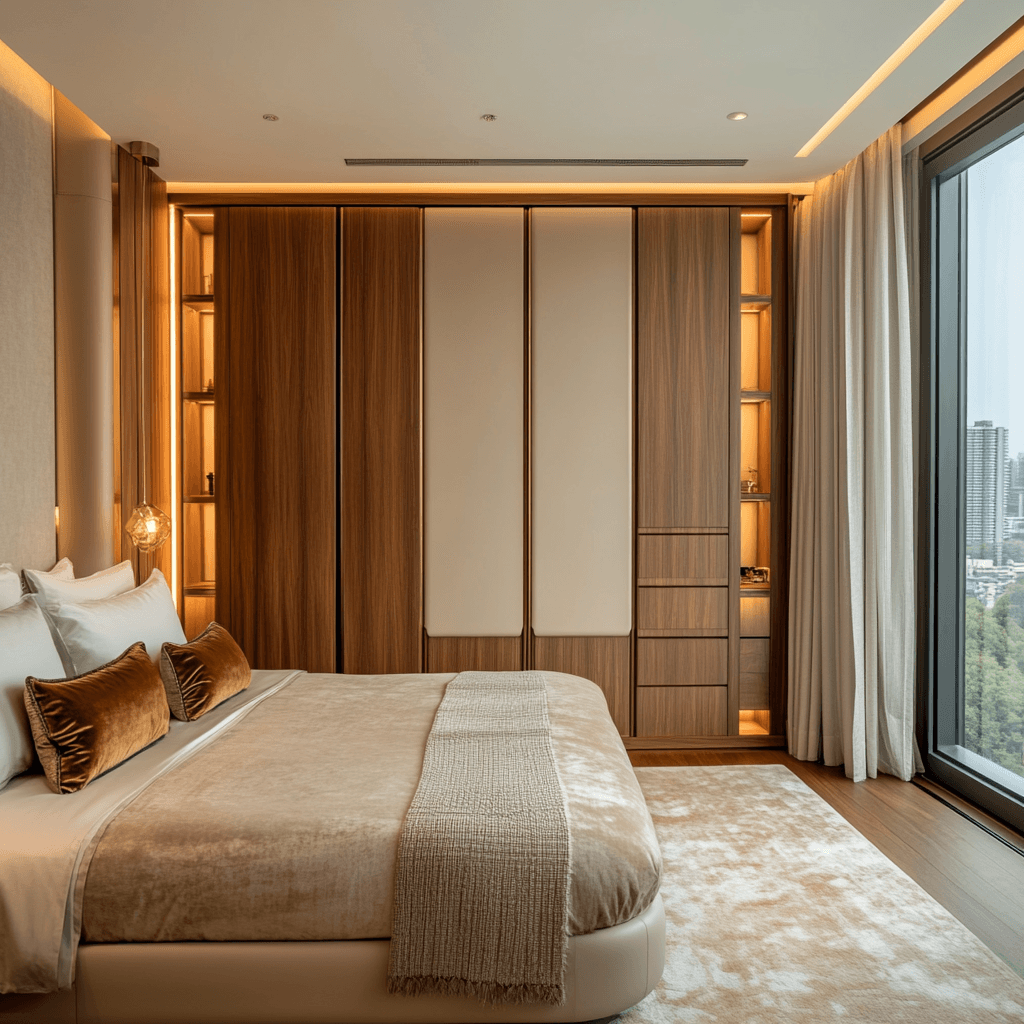
In Ikoyi and Banana Island, dressing rooms often sit within larger primary suites, so the opportunity is to create more generous zoning and stronger visual symmetry. In Victoria Island apartments, the challenge is usually efficiency, where sliding doors, mirrored panels, and tighter joinery discipline help make the room feel larger without losing elegance. In Abuja homes, clients often have more footprint to work with, which makes islands and dual wardrobes more achievable.
The common principle across all three is clarity. Formal wear should not compete with daily pieces. Accessories should be visible but protected. Special items should feel curated, not buried.
Why integrated planning gives the best result
Dressing rooms work best when they are designed alongside the surrounding spaces. The floor finish, bedroom palette, bathroom materials, door details, and air-conditioning strategy all affect how the room feels. When wardrobe design is treated as a late add-on, proportions drift and the finishes stop speaking to each other.
That is why many homeowners now prefer a single design-led process. FCI Nigeria can align dressing room joinery with broader bedroom interior design and overall fit-out planning, then shape the final specification around how the client lives.
Final thought
Luxury dressing room design in Lagos should feel calm, precise, and deeply personal. The best rooms are not over-styled. They are measured correctly, lit properly, and built with enough discipline to stay beautiful after years of use. In a serious home, that level of detail is what makes the space feel genuinely bespoke.
If you want to plan a dressing room that works as beautifully as it looks, contact FCI Nigeria for a private consultation.
Frequently Asked Questions
What is the difference between a dressing room and a fitted wardrobe?
A fitted wardrobe focuses on storage within a bedroom wall, while a dressing room is planned as a separate or semi-separate space with circulation, mirrors, lighting, and more specialised storage zones.
How much space do I need for a luxury dressing room?
You do not always need a huge footprint, but you do need proper proportions. Around 600 mm wardrobe depth and 900 to 1200 mm clear circulation around major elements usually makes the room far more comfortable.
Which finishes work best for dressing rooms in Lagos?
Durable veneers, textured laminates, bronze or smoked glass, suede-effect drawer linings, and quality soft-close hardware generally perform well because they balance luxury with easier maintenance in Lagos conditions.
Should a dressing room have open shelving?
Yes, but selectively. Open shelving is excellent for display items and frequently used accessories, while enclosed sections are better for dust-sensitive garments and anything that should stay visually calm.
Can FCI Nigeria design the dressing room as part of a full interior project?
Yes. FCI Nigeria can coordinate wardrobe design, joinery, lighting, and wider interior planning so the dressing room feels integrated with the bedroom and the rest of the home.
Get in touch
Want to get in touch? We'd love to hear from you. Email us at [email protected]
Sign Up for Newsletter