

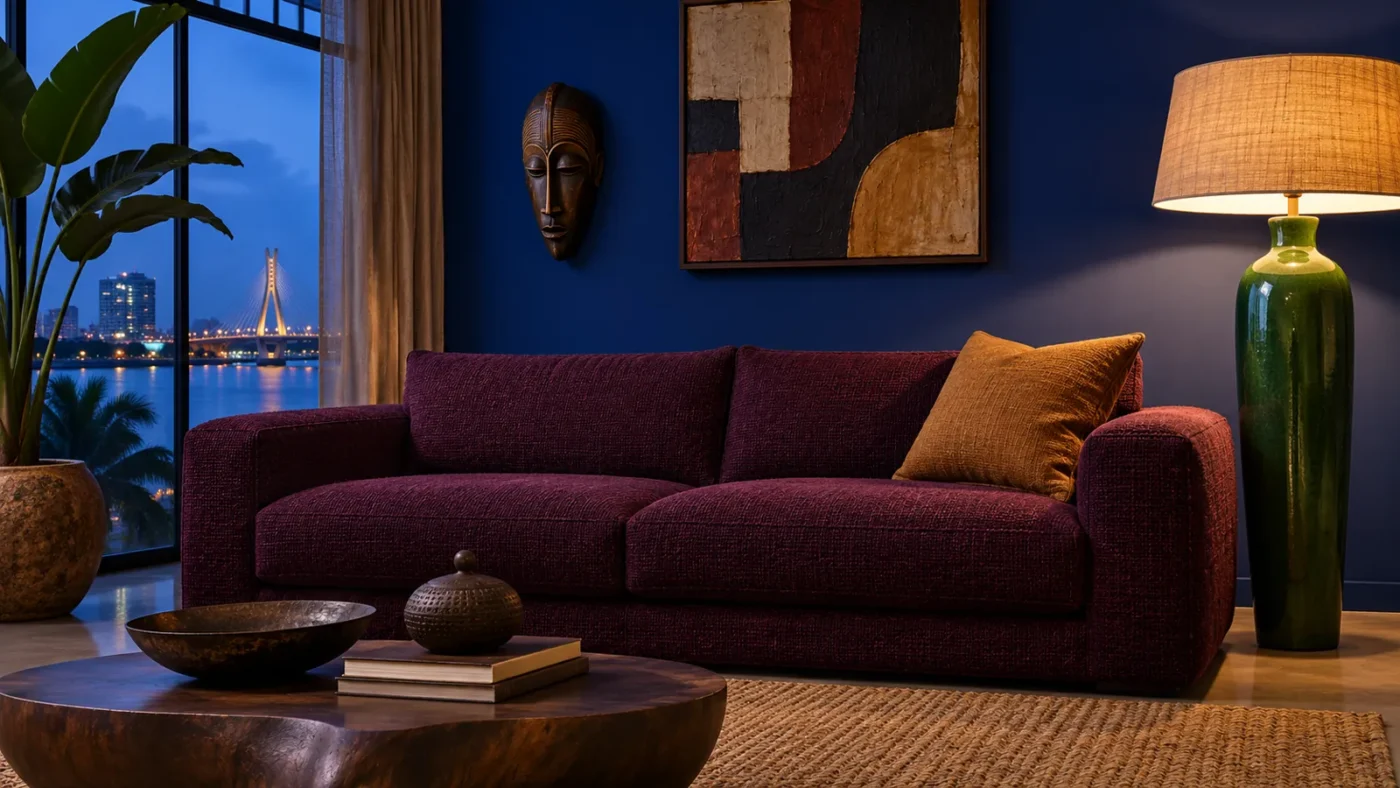
TL;DR: When choosing a fabric sofa in Lagos, ask for the exact fabric's pilling result as well as its abrasion result, because surface appearance and resistance to wear are different questions.
Key takeaways
- Pilling means small balls of entangled fibre have formed on the fabric surface.
- A pilling test is not the same assessment as an abrasion test, even when the equipment is similar.
- James Dunlop describes pilling grades from 1 for severe pilling to 5 for none under the test conditions.
- A fabric name or fibre percentage alone does not provide a complete upholstery specification.
- Agree care instructions and the supplier's assessment process before ordering.
What is sofa fabric pilling?
Pilling is the formation of small fluffy balls of fibre on an upholstery surface. James Dunlop Textiles explains that loose fibres can become entangled as cloth experiences wear and abrasion.
This is an appearance issue to discuss separately from whether the sofa is comfortable, well assembled or suited to the room. A close-up photograph is more useful than describing every change as general wear.
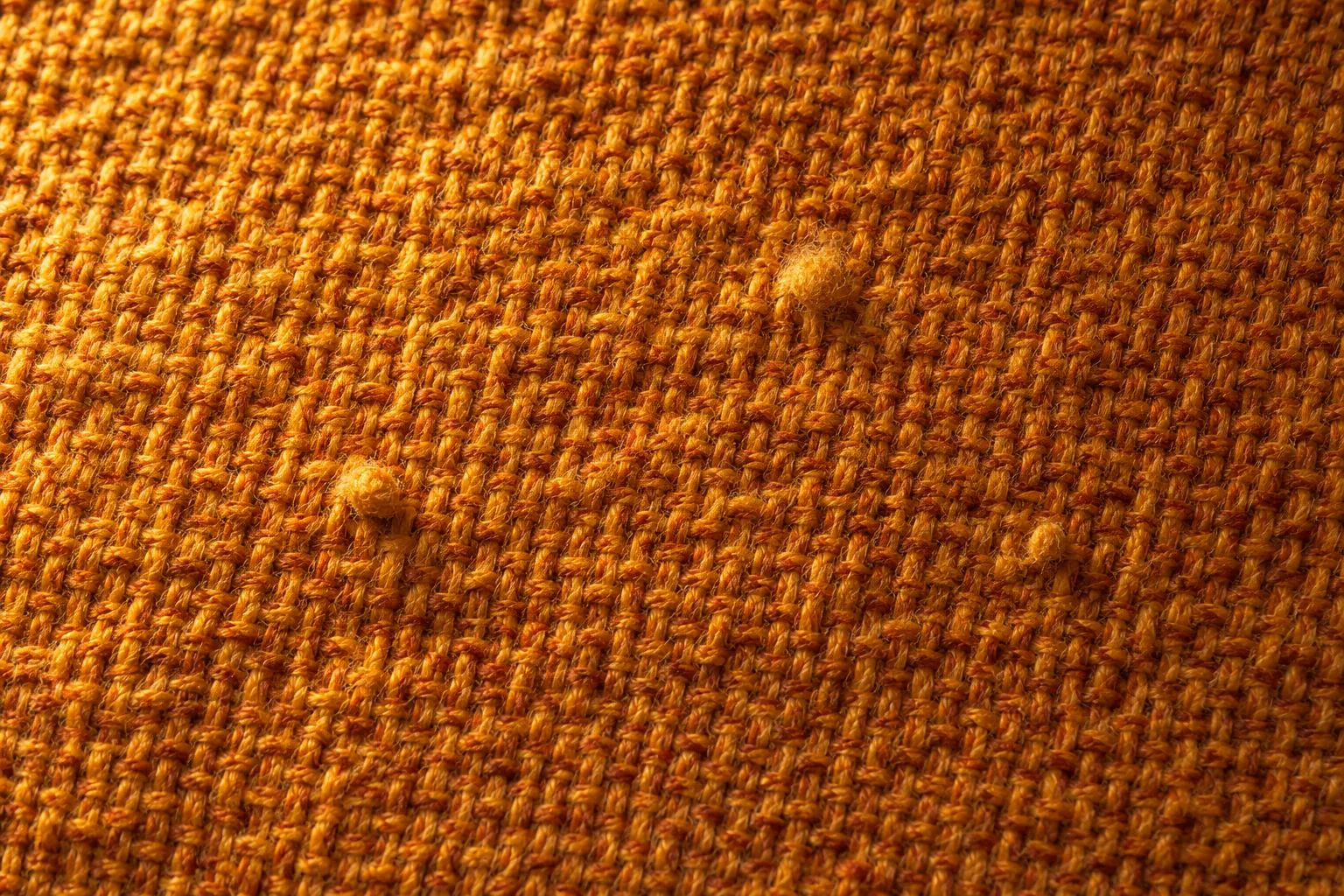
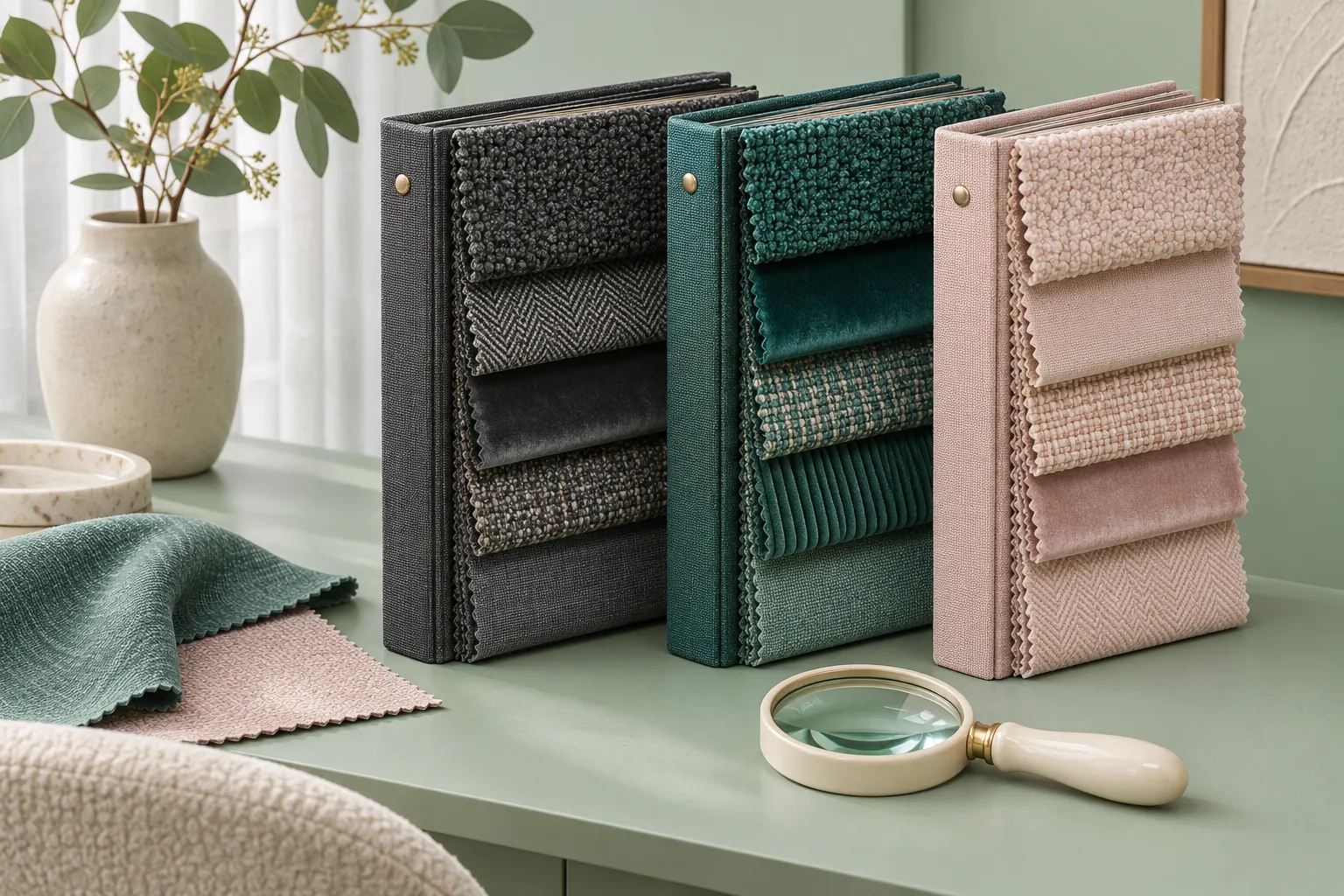
For a Lagos purchase, our recommendation is to include pilling in the pre-order conversation, especially if you are selecting a fabric from a small swatch rather than seeing it on the chosen sofa. A swatch is excellent at showing colour. It is less forthcoming about your future relationship with the upholstery.
Does a high abrasion result mean no pilling?
No: an abrasion result should not be treated as a promise that a fabric will remain free of pills. The tests ask different questions.
James Dunlop's testing explanation says its pilling assessment uses the same machine as the Martindale abrasion test but rubs the sample against another piece of the same fabric rather than a standard abradant. The surface is then compared with standardised images.
The supplier describes a scale from 1 to 5, where 1 represents severe pilling and 5 represents none. Those grades refer to the assessment conditions, not a guarantee of an unchanged sofa in every home.
Ask for the test method, result and assessment stage together. Do not compare a headline abrasion number from one cloth with a pilling grade from another as though they were competing scores for the same property.
Can throws and cushions contribute to pilling?
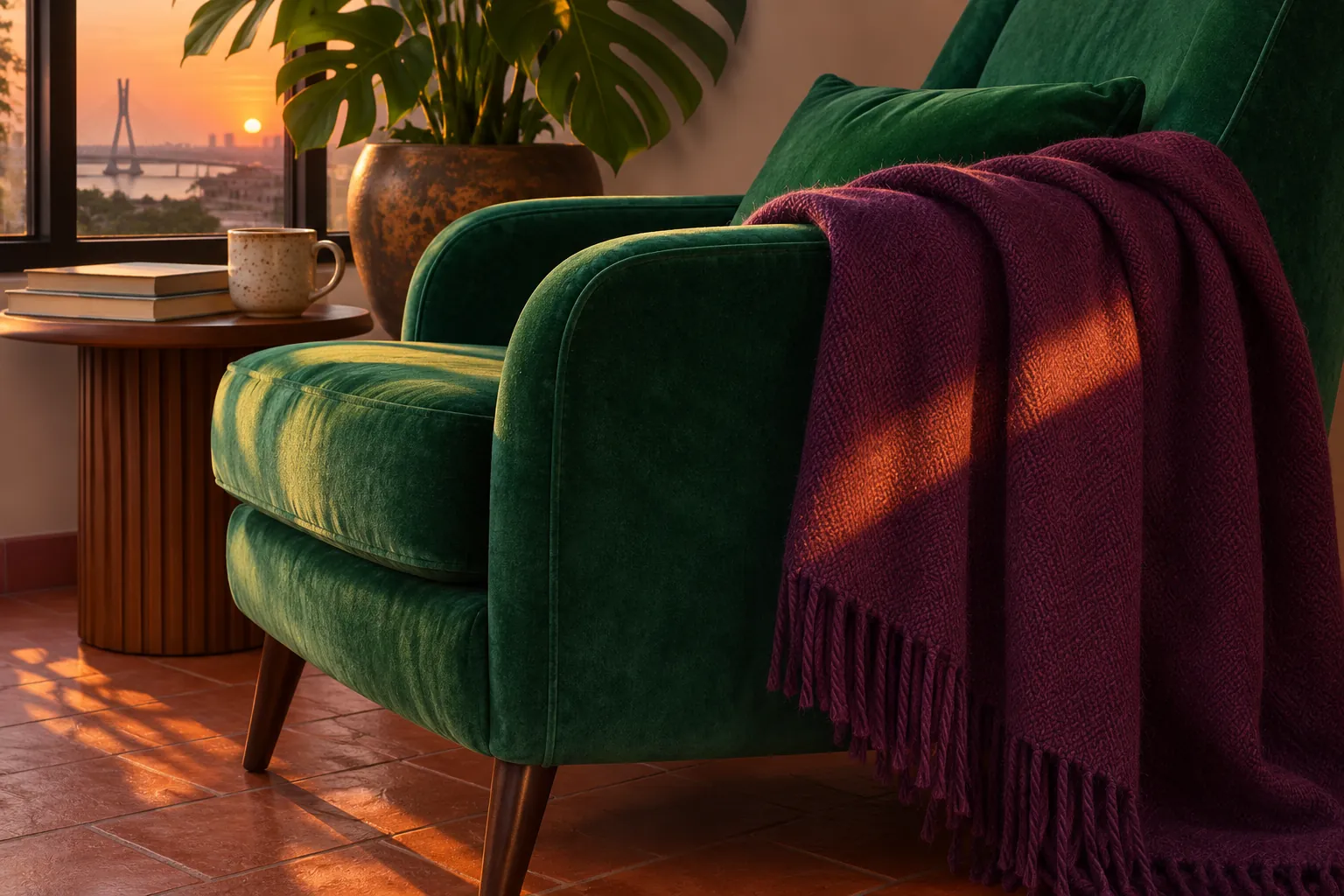
Other textiles can contribute fibres to pilling on upholstery. James Dunlop identifies external fibre sources, including throws and cushions, among the factors that can be involved.
That does not mean a differently coloured pill establishes the whole cause in every case. Our advice is to show the supplier the sofa surface and the textiles used with it, rather than deciding responsibility from colour alone.
When developing a room scheme, include the everyday throw and cushions in the material discussion. For a family sitting room or a more formal reception space, explain how it will actually be used. These are different briefs even when the floor plans look similar.
Do not assume that a fabric's behaviour in Lagos can be predicted from a generic claim about tropical interiors. Ask what evidence is available for the selected cloth and what conditions the supplier requires for its use and care.
What should you request before ordering a fabric sofa?
Request a configuration-specific upholstery record, not simply a colour name. Our suggested record contains:
- The fabric manufacturer, collection, article and colour code.
- The composition and intended upholstery use.
- Separate pilling and abrasion information, with the methods stated.
- The covering's cleaning and maintenance instructions.
- Any lining specification relevant to the chosen construction.
- Written warranty terms and the route for reporting a surface concern.
James Dunlop notes that a barrier cloth or lining can prevent filling fibres migrating through the covering. That is a reason to ask about the sofa's construction, not evidence that a particular sofa has that feature.
Our armchair selection guide covers the companion question of seated fit. Neither a good sit test nor an impressive textile result replaces the other.
How should you respond if pills appear?
Follow the selected fabric's care instructions and ask the supplier to assess the surface before trying a new treatment. Photograph the area clearly and record when you noticed the change.
James Dunlop recommends regular light vacuuming and discusses de-pilling for suitable textiles. That is not permission to use any blade or appliance on any covering. Ask which method is approved for your exact fabric and sofa construction.
Limitations
This guide does not diagnose a fabric fault or determine warranty cover. Laboratory results cannot promise identical appearance in every household, and no local pilling-rate data is claimed here. Product availability, performance and care requirements need confirmation for the chosen configuration.
What is the next step for a Lagos sofa brief?
Send the proposed sofa, fabric code, room photographs and a description of everyday use to the supplier. Include the questions you want answered about surface appearance and aftercare.
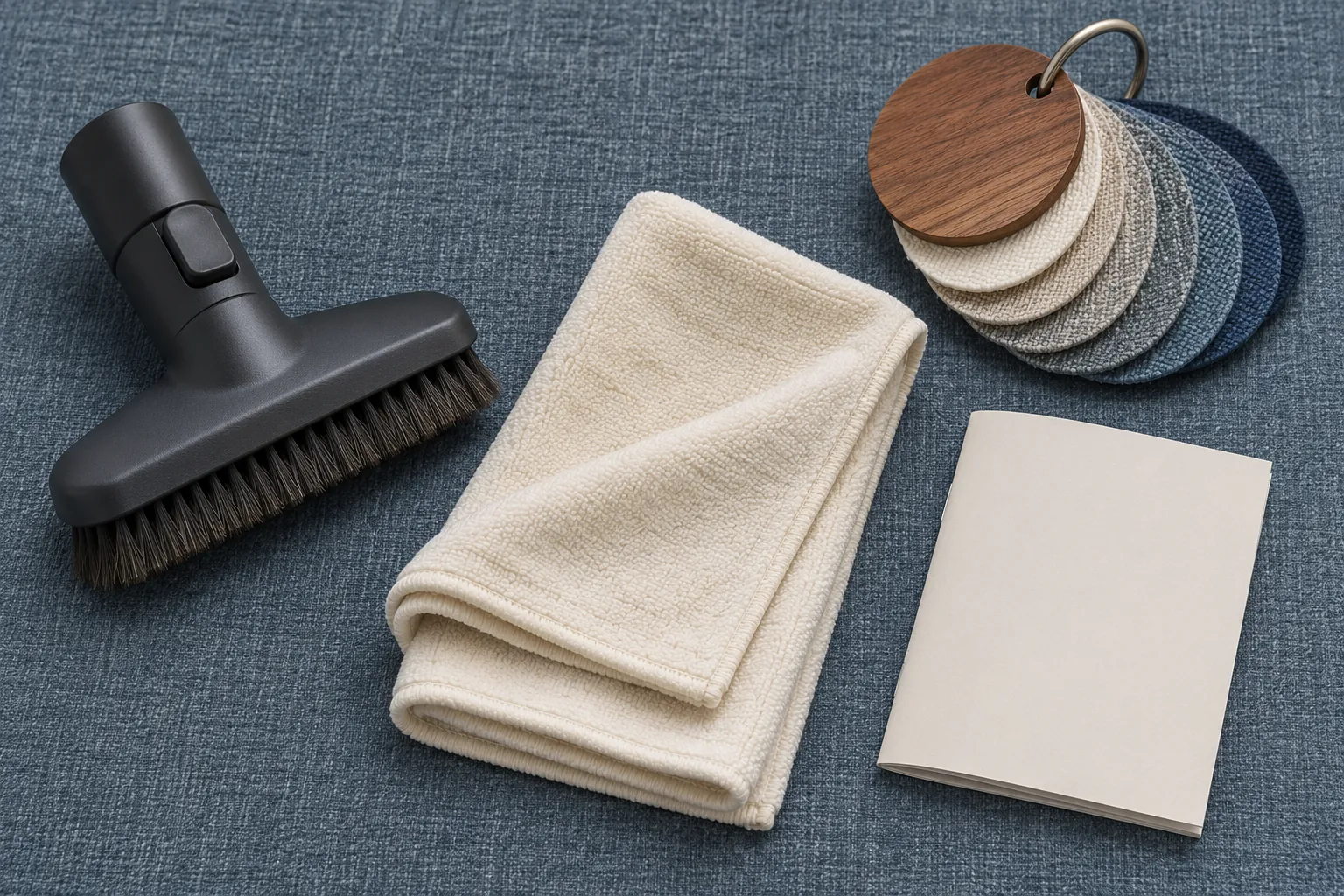
Ask FCI Nigeria to review your fabric-sofa brief before committing to the upholstery. A useful shortlist should come with enough information to compare the cloth, not just admire it.
Get in touch
Want to get in touch? We'd love to hear from you. Email us at [email protected]
Sign Up for Newsletter