

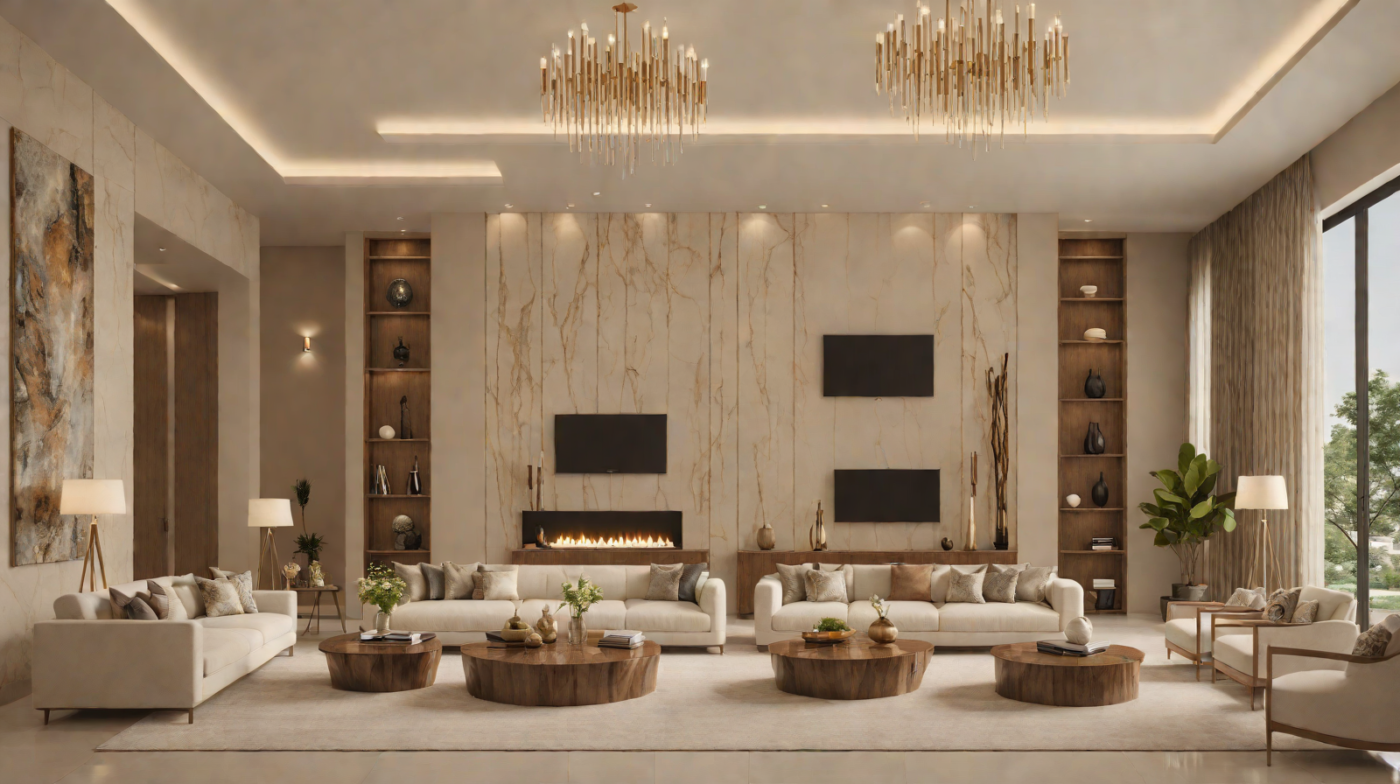
A luxury rug is one of the quickest ways to make a room feel considered. It can also be one of the quickest ways to make an expensive room look oddly unfinished if the size, texture or placement is wrong.
That matters in Lagos and Abuja homes because rooms often have a lot to do. A living room may need to support formal hosting, family use, TV viewing and weekend entertaining. A dining room may need to feel polished without becoming stiff. A bedroom should feel calm, not like a hotel corridor with a bed in it.
The rug sits under all of that. Literally, yes, but also visually. It defines the space, softens the room, controls the furniture group and gives the eye somewhere to settle.
Here is how to choose luxury rugs for Lagos and Abuja homes without treating the floor as an afterthought.
Start with the room, not the rug
The mistake is to fall in love with a rug before you know what job it needs to do.
A beautiful rug can still be wrong for the room. It may be too small for the seating plan, too pale for heavy use, too busy for patterned furniture or too flat for a room that needs warmth.
Before looking at colour or design, decide what the rug is meant to solve:
- Does the room need clearer zones?
- Does the seating group feel scattered?
- Does the room need softness underfoot?
- Does the dining area need a stronger centre?
- Does the bedroom need warmth and calm?
- Does the furniture already have strong pattern, texture or shine?
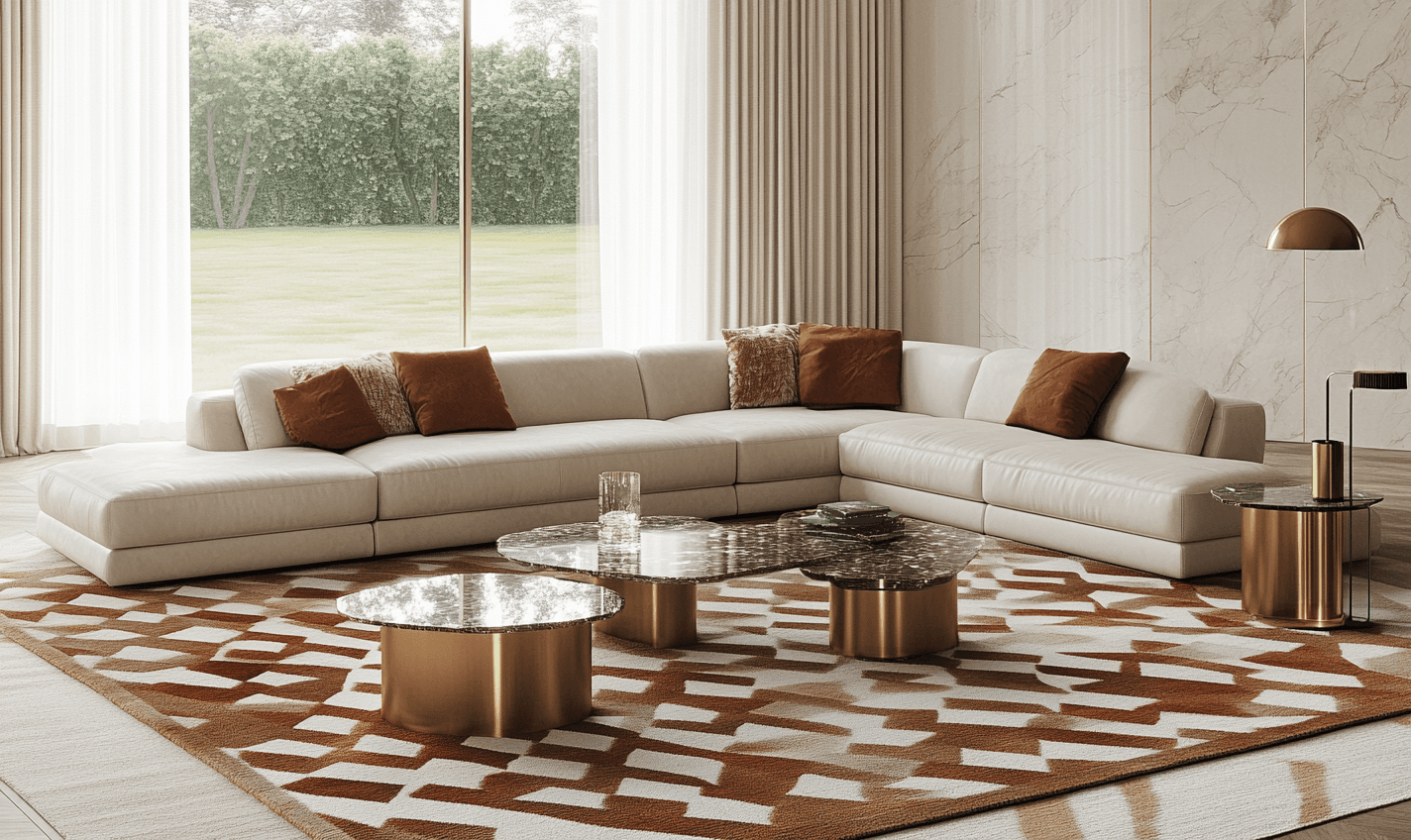
Once the job is clear, the right rug becomes much easier to choose.
Size is the first luxury signal
A rug that is too small makes even good furniture look disconnected. In a living room, the rug should usually be large enough to connect the key seating pieces. At minimum, the front legs of the main sofas and chairs should sit on the rug. In larger formal rooms, placing all major seating fully on the rug can make the space feel more settled.
For Lagos and Abuja homes with generous living rooms, this point is especially important. Large rooms can swallow small rugs. The rug then looks like a decorative mat floating in the middle of the floor, while the furniture sits around it pretending everything is fine.
In dining rooms, the rug should extend beyond the table enough for chairs to move in and out without catching on the edge. This is not only about comfort. It protects the room from that awkward moment where a chair half leaves the rug and the whole setting starts to feel badly measured.
In bedrooms, a large rug under the bed should give a soft landing at the sides and foot. If a full room rug is not practical, runners or smaller rugs can still work, but they should look intentional rather than spare pieces borrowed from another room.
Choose texture for real life
Luxury does not mean fragile. It means refined enough for the room and practical enough for the way the home is used.
For family living rooms, dense wool or wool blend rugs can bring comfort, durability and depth. For formal reception spaces, silk or silk blend details can add sheen, but they need a realistic conversation about footfall, maintenance and placement. For bedrooms, softer pile can make sense because the room has lower traffic and a more private rhythm.
In Lagos and Abuja, practical use matters. Dust, air conditioning, entertaining, children, guests and service routines all affect how a rug performs. A rug can be beautiful in a showroom style photograph and still be wrong for a busy home if it needs constant nervous supervision.
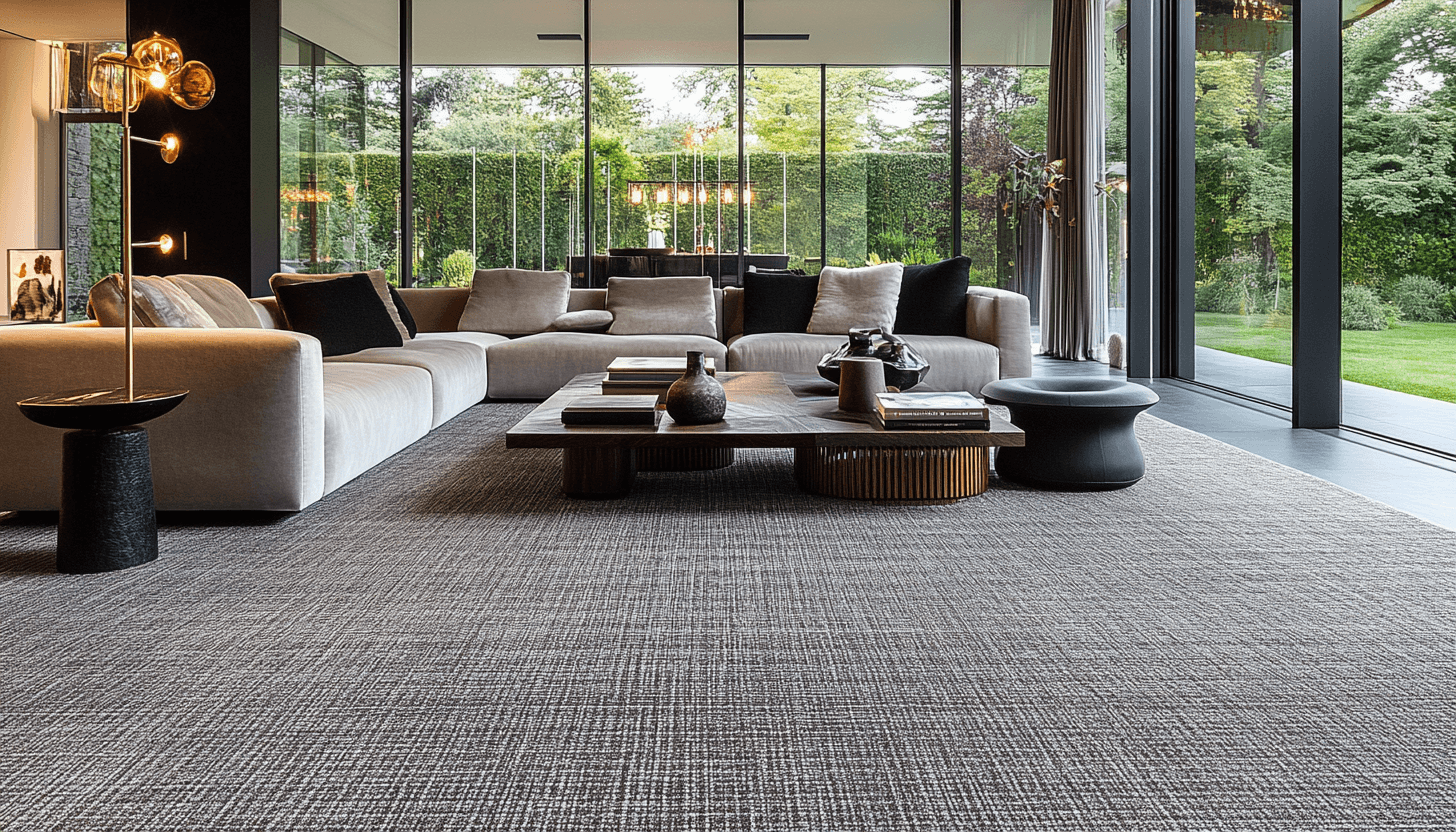
The right choice balances touch, pattern, durability and maintenance.
Use rugs to zone open plan spaces
Open plan interiors can look impressive, but they need structure. Without zoning, the room can become one large collection of expensive items with no clear conversation between them.
A rug can define the main seating area, separate a lounge zone from a dining space or give a reading corner its own identity. This is especially useful in larger Lagos homes, penthouses and Abuja residences where one open area may need to support several uses.
The key is alignment. The rug should work with the furniture plan, not fight it. The seating should feel anchored. Side tables should sit where they are useful. Walkways should remain clear. The rug should not interrupt the natural path through the room.
Good zoning feels calm. Bad zoning feels like the furniture was arranged by committee after a long lunch.
Let pattern support the furniture
Pattern is not the enemy. Uncontrolled pattern is.
If the room already has strong marble, detailed wall panels, statement lighting, textured curtains or bold upholstery, a quieter rug may be the smarter choice. It can add depth without competing for attention.
If the furniture is restrained, a stronger rug can introduce personality and movement. A patterned rug can also help hide everyday marks better than a very plain pale rug, which is worth remembering in real homes where people occasionally behave like people.
For formal interiors, tonal rugs, carved textures and muted patterns often work well because they add interest without shouting. For more expressive rooms, bolder geometry or richer colour can work, but the rest of the scheme needs discipline.
Think about the floor underneath
The rug is not separate from the floor. It sits in conversation with it.

On marble or polished stone, a rug adds softness, acoustic control and warmth. On timber, it can create contrast and protect high use zones. On tiled floors, it can stop the room feeling too hard or echoing.
Colour temperature matters. A cool grey floor may need warmth from taupe, ivory, bronze, tobacco or soft neutral tones. A warm timber floor may need a calmer palette so the room does not become too heavy.
The right rug makes the floor look better. The wrong rug makes both the floor and furniture work harder than they should.
Living room rug planning
For living rooms, start with the seating arrangement. The rug should hold the sofa, armchairs, coffee table and side tables as one group.
A strong living room rug can:
- Anchor the main seating area.
- Make a large room feel more intimate.
- Reduce visual echo from hard floors.
- Add texture under glass, metal, leather or polished finishes.
- Create a calmer transition between sofas, TV wall units, curtains and lighting.
If the room has two seating zones, one large rug may not be the answer. Two coordinated rugs can work better, as long as they belong to the same wider design language.
Dining room rug planning
Dining rugs need enough clearance. The common mistake is choosing a rug that fits the table but not the chairs.
When chairs are pulled back, they should remain on the rug. This keeps the room comfortable and prevents the dining area from feeling cramped. It also protects the visual line around the table.
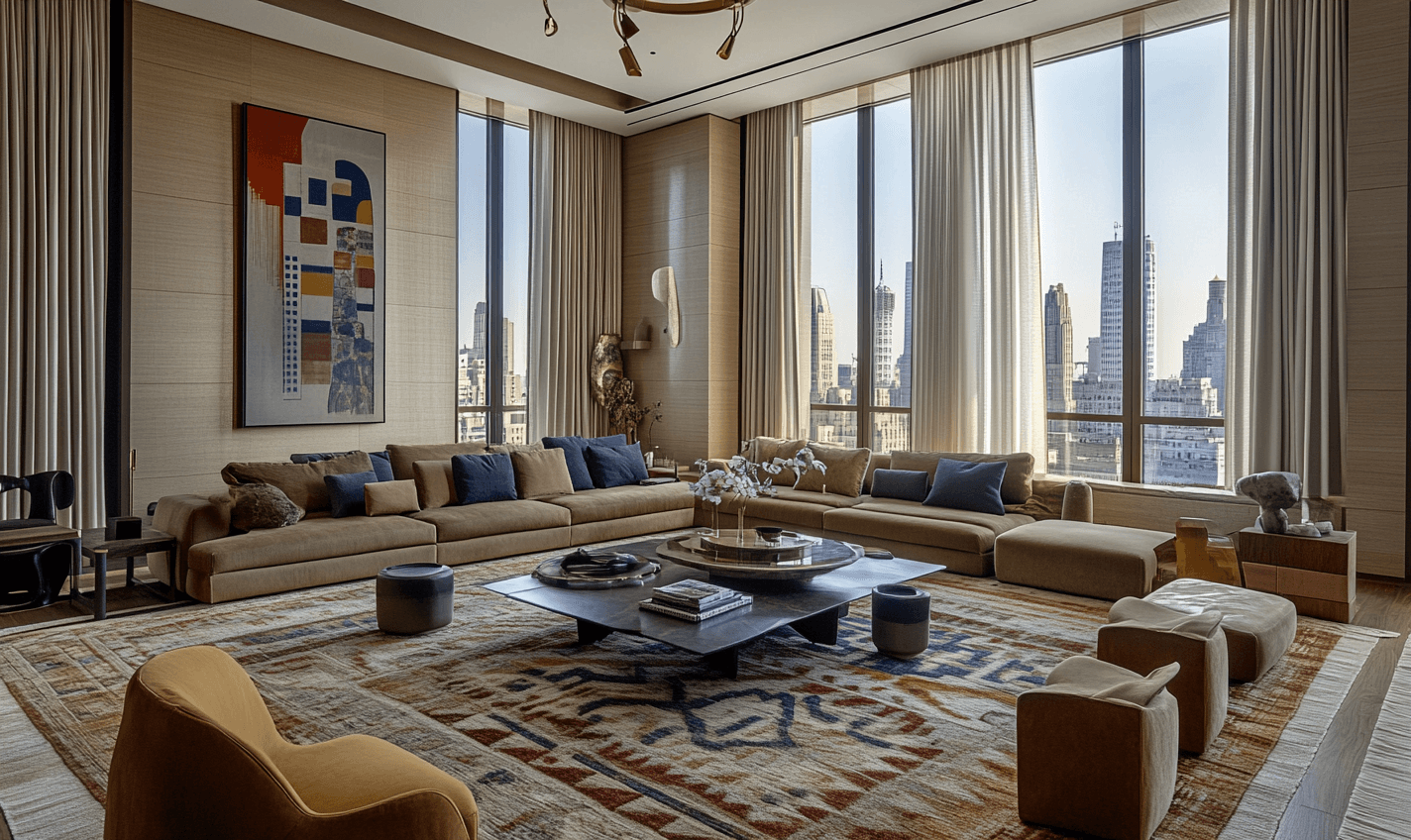
Pattern can be useful in dining spaces because it adds depth and can be more forgiving than a flat pale surface. The pile should not be so deep that chairs drag or feel unstable.
A dining rug should make the room feel more finished, not more difficult to use.
Bedroom rug planning
Bedrooms need calm. The rug should support that.
A large rug under the bed can soften the room and make the bed feel properly anchored. The visible border around the bed should be generous enough to feel intentional. If the rug is too small, the bed can look as if it is balancing on a sample square.
Texture is important here. Softer piles, warmer tones and quiet patterns usually work better than high contrast designs, unless the room is deliberately dramatic.
The best bedroom rug is noticed every morning, but it should not dominate the room every time the door opens.
When to bring in the interior design team
If the room is already furnished, rug selection can still be handled as a focused upgrade. If the wider room is being planned, the rug should be part of the design conversation from the start.
That is where FCI Nigeria can help. A rug interacts with sofas, dining tables, chairs, curtains, lighting, wall finishes and art. Choosing it in isolation often leads to compromise later.
For full room projects, the interior design process can consider scale, colour, texture, furniture placement and procurement together. That is the difference between buying a beautiful rug and building a room where the rug actually belongs.
Get in touch
Want to get in touch? We'd love to hear from you. Email us at [email protected]
Sign Up for Newsletter