

Written by: Emma Cyrus
Reviewed by: Cristina Chirila
Edited by: Zoona Sikander
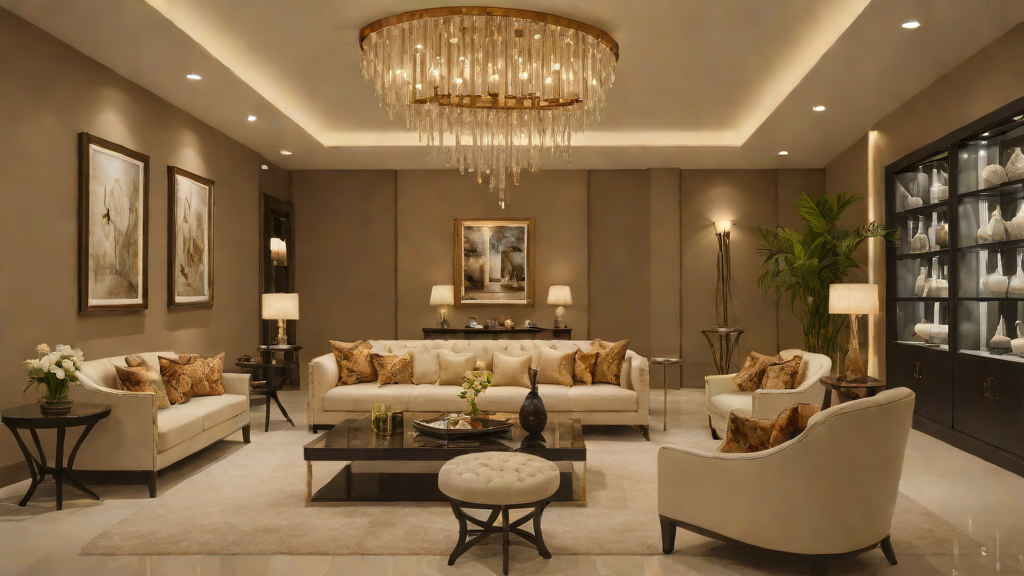
A luxury furniture showroom in Lagos should do more than display expensive objects under flattering lighting. It should help clients make better decisions. In a market where premium buyers are increasingly design-aware, the best showrooms are not just retail environments. They are strategic spaces where scale, material quality, comfort, brand identity and room composition can all be tested properly before serious money is committed.
This matters because high-end furnishing decisions are difficult to judge from photographs alone. A sofa can look impressive and feel wrong. A dining table can appear dramatic online and sit awkwardly in person. A wardrobe system may seem refined in a brochure but reveal its true value only when drawers, hinges, finishes and internal organisation are experienced directly. Good showrooms reduce that uncertainty.
What makes a showroom genuinely useful?
The best luxury showrooms are curated, not crowded. They show enough range to demonstrate possibility, but not so much that every room starts to feel like a trade fair. Clients need to understand how collections live in space. That means room-like settings, strong product editing and enough design guidance to connect the showroom experience back to the realities of the project.
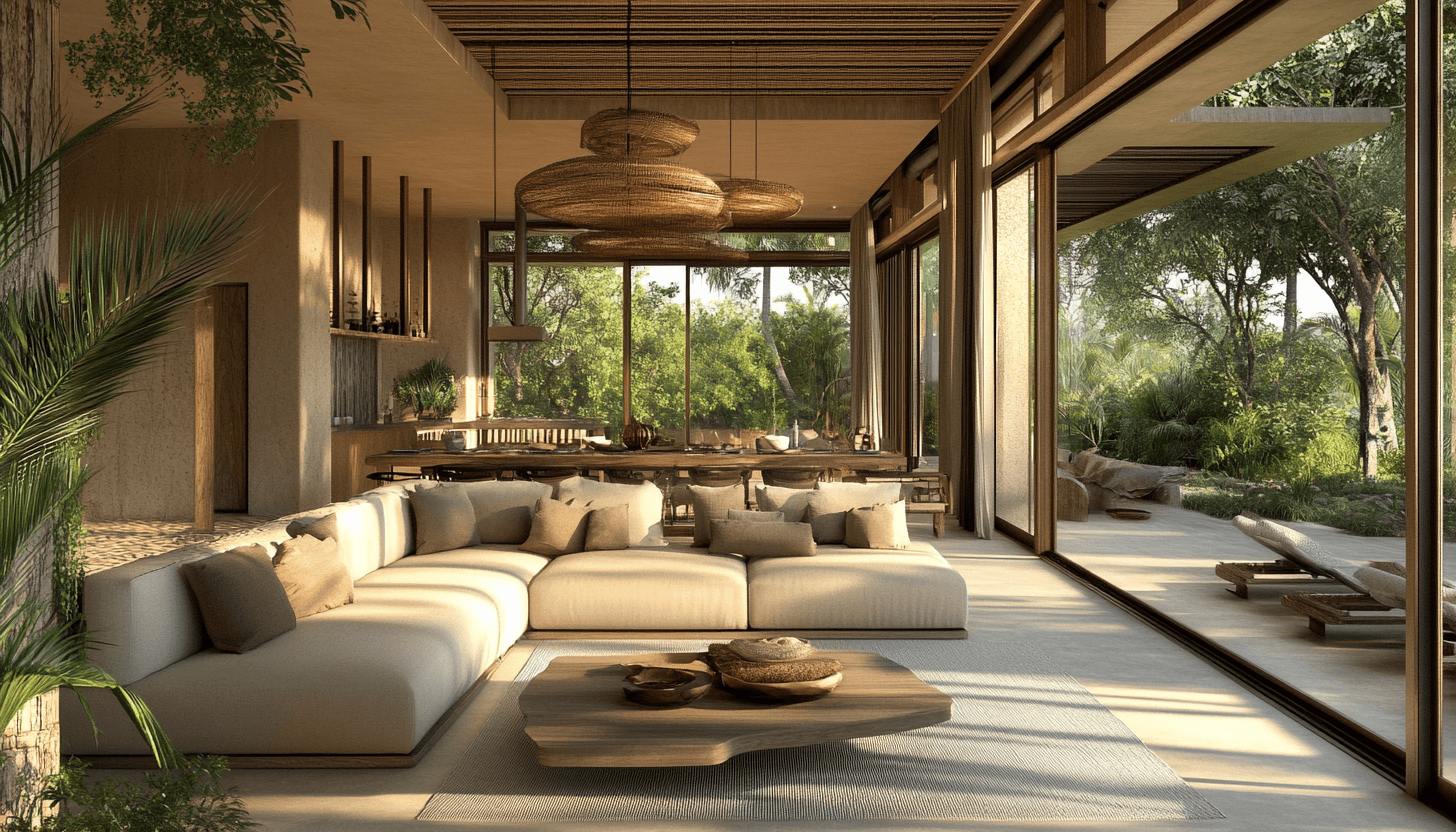
In Lagos, this is especially important because many buyers are furnishing homes with complex requirements, large villas, premium apartments, integrated wardrobes, kitchens and formal entertaining areas. They need more than isolated pieces on display. They need a sense of system and confidence.
Brand quality should be visible, not merely stated
A serious showroom should allow clients to see why brands such as Minotti, Poliform, Cattelan Italia and Gallotti&Radice command attention internationally. That value should be evident in the stitching, proportions, materials, mechanisms and overall coherence of the collections. Luxury should not have to survive entirely on narrative. It should be visible in the object itself.
This is one reason showroom access matters so much in premium design. It exposes the difference between genuine quality and expensive styling. The more educated the buyer becomes, the better the final decisions usually are.
Comfort testing is not optional
A luxury showroom should encourage proper testing. Sit on the sofa. Open the wardrobe. Inspect the table edge. Check the dining chair back angle. Evaluate upholstery feel and construction confidence. Too many clients still make premium purchases based on visual appeal and later discover that comfort or usability was a quiet disaster all along.
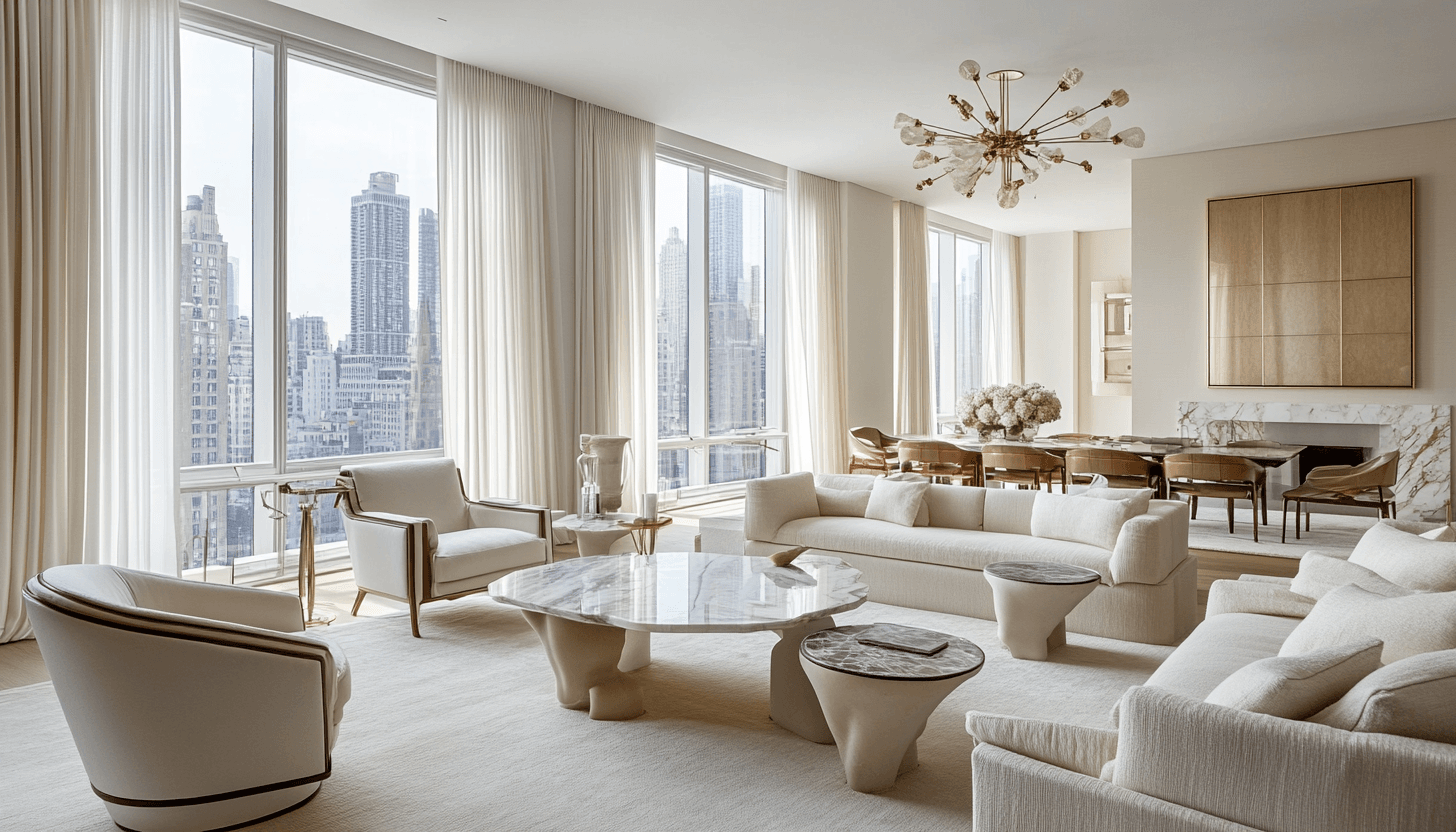
In Lagos, where homes are often designed for real hospitality rather than occasional display, comfort is particularly important. Furniture should support living generously, not merely decorating expensively.
Showrooms should support whole-home thinking
The most useful luxury showrooms help clients move beyond single-item attraction. A good showroom visit should clarify how living, dining, bedroom, wardrobe and lighting solutions can work together across a whole property. This matters because luxury homes are not judged piece by piece. They are judged as coherent experiences.
Showrooms that display only hero products without helping clients understand cross-room coordination are missing a major opportunity. The best ones help turn taste into a strategy.
Design guidance separates premium showrooms from expensive warehouses
Product range matters, but so does expertise. Clients need guidance on scale, layout, material suitability, lead times and how different collections align with different types of architecture. A showroom team that can only recite brand names is not enough. Premium clients need people who can translate showroom selections into workable room decisions.
This is especially true in Nigeria, where projects often combine imported pieces, bespoke work and architectural conditions that require intelligent adaptation. Showrooms that understand this become far more valuable than those that simply display products attractively.
What buyers should look for during a showroom visit
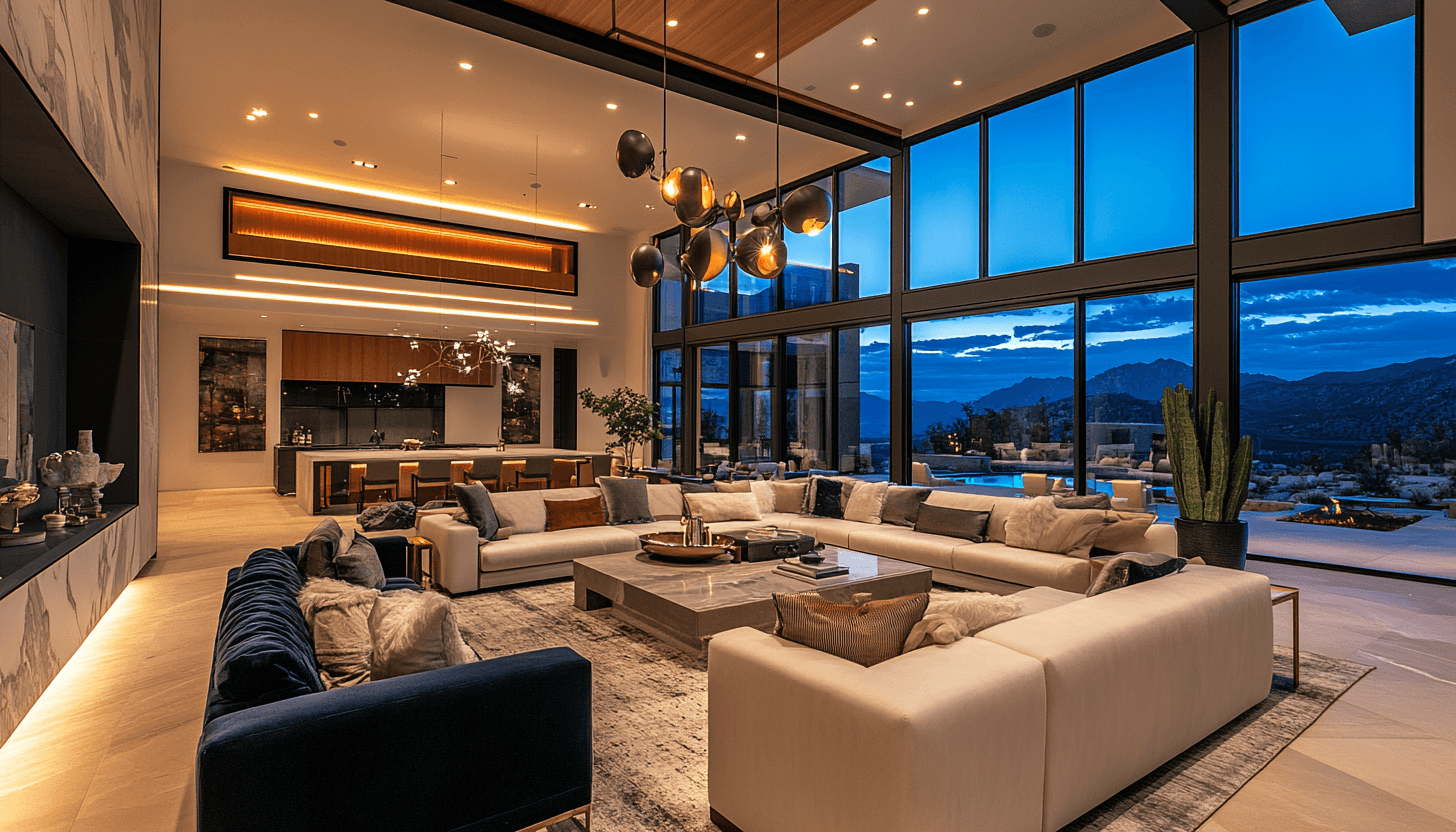
Look at how products are finished at close range. Sit in multiple seating options, not just the prettiest one. Ask about lead times, customisation, fabric suitability and maintenance. Notice whether the showroom presents complete design thinking or just isolated luxury signals. Also ask whether the collections on display can support the kinds of rooms you actually need, living spaces, dining areas, wardrobes, kitchens or lighting, rather than just the rooms that look best on social media.
A showroom visit should answer questions, not create a fresh pile of vague desires.
The best showrooms make decisions easier, not louder
Lagos has enough visual noise already. A strong luxury showroom offers the opposite. It brings clarity. It helps clients understand quality, compare options, refine taste and move closer to a furnishing strategy that suits their home. That is far more useful than a room full of expensive pieces competing for attention.
In the end, the best showroom is the one that helps you choose well, not just admire well. Those are not always the same thing.

Next step: visit FCI Nigeria’s luxury furniture showroom, compare international collections in person, or book a consultation before committing to a premium furnishing scheme.
Frequently Asked Questions
Why should I visit a luxury furniture showroom instead of buying from catalogues?
Because premium furniture needs to be experienced properly. Showroom visits allow you to test comfort, inspect materials, understand scale and compare collections in a way that online images cannot match.
What brands should a serious Lagos luxury showroom carry?
Strong showrooms often feature brands such as Minotti, Poliform, Cattelan Italia and Gallotti&Radice, because these collections cover key categories like living, dining, wardrobes and contemporary interior systems.
What should I ask during a showroom visit?
Ask about lead times, customisation, material suitability, maintenance and how the collections will work together in your specific home. The visit should help you make strategic decisions, not just admire individual pieces.
Get in touch
Want to get in touch? We'd love to hear from you. Email us at [email protected]
Sign Up for Newsletter