

Written by: Emma Cyrus
Reviewed by: Cristina Chirila
Edited by: Zoona Sikander
Architects and luxury furniture specialists should be natural allies on premium projects in Nigeria, yet the partnership is still undervalued in many builds. Too often, furniture is treated as something to be selected after the architecture is complete, as though the interior will politely organise itself around whatever structural decisions were made months earlier. That approach usually produces compromised rooms, awkward proportions and expensive late-stage corrections.
On the strongest residential projects in Lagos and Abuja, architects and luxury furniture partners work together far earlier. They align room proportions, circulation, sightlines, lighting strategy, joinery coordination and furniture intent while the project is still flexible enough to benefit from those decisions. The result is not just a better interior. It is a more coherent house.
Why the partnership matters
Luxury homes are judged as complete environments, not as separate disciplines. The client does not experience “architecture” first and “furniture” later. They experience a living room, a kitchen, a dining space, a wardrobe suite. If the architecture does not support how those spaces need to function and feel, the project suffers no matter how impressive the floor plans once looked.

Early furniture collaboration helps avoid this. Room widths can be checked against real seating layouts. Dining areas can be sized for tables that fit properly. Double-volume spaces can be coordinated with lighting and furnishing strategy. Bedroom suites can be planned around wardrobe logic, not just leftover wall length. These are not minor improvements. They change the quality of the final home.
Furniture planning sharpens architectural decisions
When architects work with furniture specialists early, they gain better information. Instead of drawing idealised rooms and hoping the interiors cooperate later, they can test spatial ideas against actual products, realistic dimensions and desired lifestyles. That tends to improve everything from window placement to wall lengths and circulation routes.
In Nigeria, where many premium homes aim for large entertaining spaces and strong visual impact, this is especially important. A room may look generous in plan and still be difficult to furnish well. Furniture planning reveals whether the architecture is truly supporting the brief or simply flattering itself on paper.
Kitchens and wardrobes are where collaboration becomes obvious
Integrated categories such as kitchens and wardrobes show the value of partnership immediately. These are not loose furniture items that can be adjusted casually at the end. They rely on architectural alignment, service coordination, dimensions, lighting and finish integration. Brands such as Poliform or other premium system-based solutions perform best when the architecture has anticipated them properly.

Without that coordination, compromises appear quickly. Ceiling lines fight with cabinetry, electrical points end up in the wrong place and circulation becomes clumsy. The room may still be finished expensively, but it will not feel resolved.
Public rooms benefit from earlier conversation too
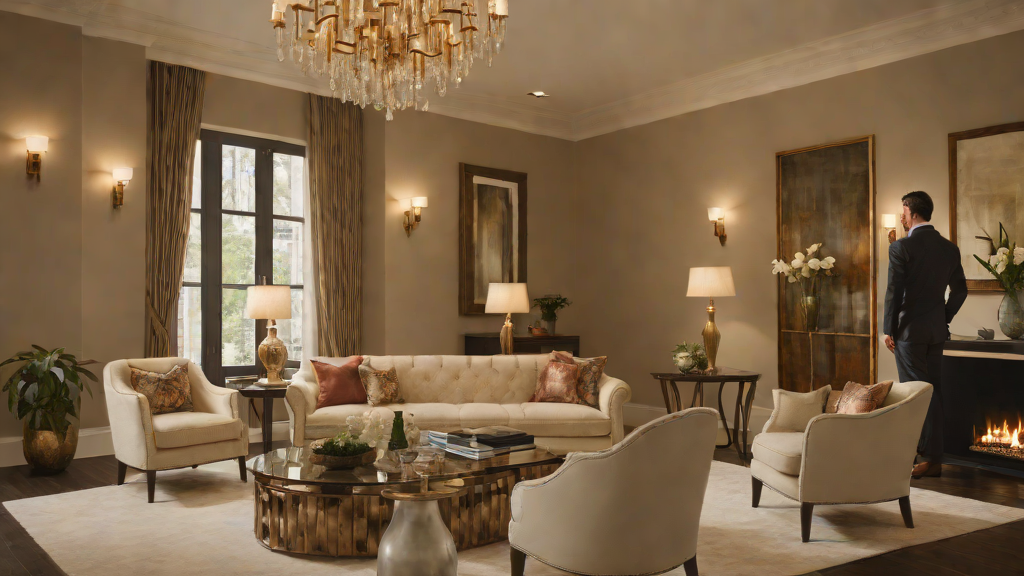
Living rooms, dining spaces and entrance areas also improve when architects and furniture partners collaborate early. A Minotti seating arrangement, a Cattelan Italia dining table or a statement chandelier in a double-volume hall all need the room to support them. That means understanding viewing angles, rug proportions, circulation, wall balance and how the room will actually be used.
Architects who engage this process early can design rooms with more conviction because they know what kind of life the room is being asked to hold. Furniture specialists, in turn, can select more intelligently because the architectural intent is clear.
The partnership reduces costly late-stage changes
Luxury projects are expensive enough without avoidable revisions. When furniture thinking arrives too late, clients often face changes to lighting points, wall finishes, custom joinery, ceiling details or even room use. Those adjustments cost money, time and goodwill. Early collaboration reduces that risk by resolving more decisions while they are still easy to change.
This is one of the least glamorous benefits of partnership, which is probably why it is so important. Good process rarely announces itself, but the absence of it becomes painfully visible.
Clients benefit from more than efficiency
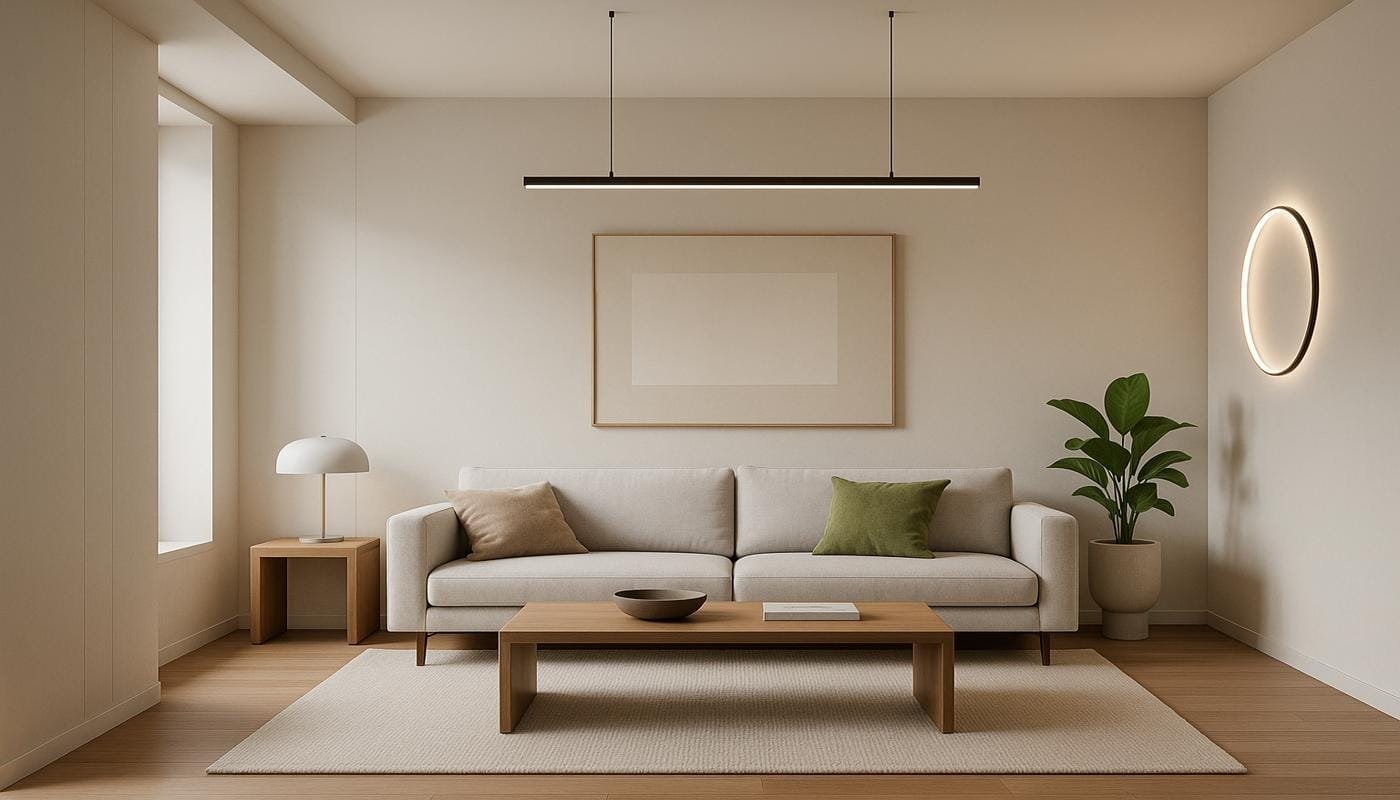
The client gains more than a smoother programme. They also get a home that feels more intentional. Rooms feel balanced, furniture sits naturally, storage works, lighting supports the mood and the house reads as a complete design rather than a series of expensive departments working on separate interpretations of luxury.
That coherence is especially valuable in Nigeria’s premium market, where clients are increasingly exposed to international standards and can tell when a project feels pieced together rather than truly composed.
The best collaborations respect both disciplines
This partnership works best when neither side tries to dominate the other. Architects bring spatial logic, structure and the larger design framework. Furniture specialists bring product knowledge, scale intelligence, material nuance and a close understanding of how rooms are actually inhabited. The strongest projects respect both contributions.
When that balance is right, the home feels effortless. Which, as usual in luxury, is the result of a great deal of effort applied at the correct moment.
Next step: explore luxury furniture solutions, review architect collaboration options with FCI Nigeria, or book a project consultation before your plans are locked in.
Frequently Asked Questions
When should architects involve a luxury furniture partner on a project?
Ideally during the design development stage, before room dimensions, lighting layouts and key spatial decisions are fixed. Early collaboration creates better rooms and reduces expensive revisions later.
Why is this partnership important for kitchens and wardrobes?
Kitchens and wardrobes depend on precise architectural coordination, service planning and dimensional accuracy. Without early collaboration, even premium systems can end up looking compromised or functioning poorly.
Does working with a furniture partner limit an architect’s creativity?
No. It usually strengthens it. Real product knowledge and furnishing logic help architects design spaces that are more usable, more elegant and more convincing once the home is actually lived in.
Get in touch
Want to get in touch? We'd love to hear from you. Email us at [email protected]
Sign Up for Newsletter