

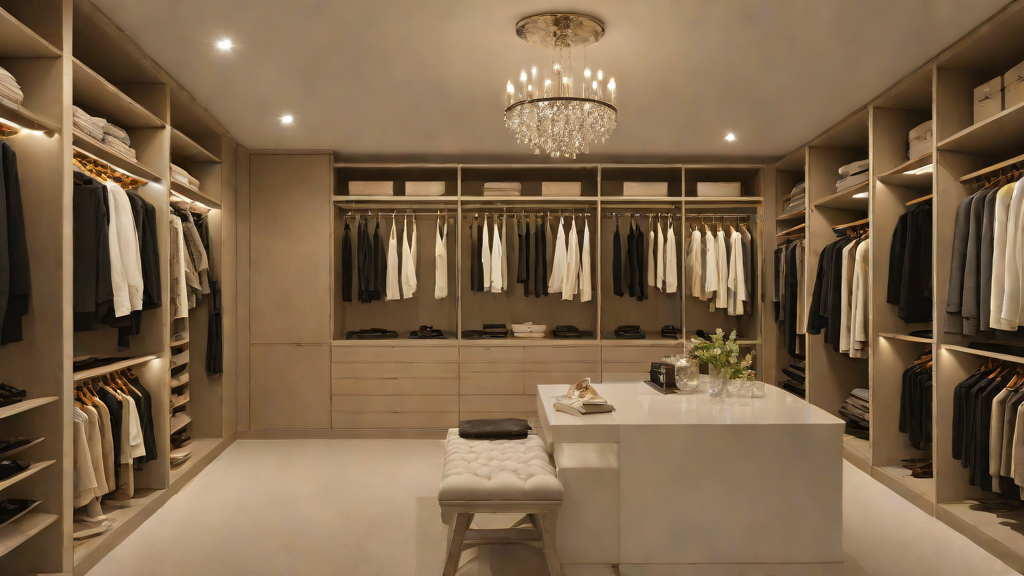
Written by: Emma Cyrus
Reviewed by: Cristina Chirila
Edited by: Zoona Sikander
A luxury wardrobe in Abuja should do more than store clothing neatly. It should make the daily routine easier, protect visual calm in the bedroom suite and reflect the standard of the property around it. In premium neighbourhoods such as Maitama, Asokoro and Wuse 2, buyers are increasingly treating wardrobes as part of the architecture of the home rather than an item to be selected once the bedroom is already finished. That change is overdue, and expensive projects are better for it.
The difference between a standard fitted wardrobe and a truly luxurious one is not size alone. It is planning. A well-designed wardrobe understands circulation, lighting, privacy, display, concealment and the personal habits of the people using it. That is why the best wardrobe conversations begin with lifestyle questions, not door samples. How does the client dress? How much hanging space is really needed? Are watches, shoes, handbags or formalwear major categories? Is the room meant to feel like a boutique, a retreat or a highly efficient dressing zone? The answers shape everything that follows.
Why wardrobe design matters so much in Abuja homes
Abuja luxury residences often offer more square footage than high-rise apartments in Lagos, but more space does not automatically produce a better wardrobe. In fact, generous room sizes can tempt clients into inefficient planning. Long runs of cabinetry may look impressive on a drawing and still function badly if the internal layout is lazy, the lighting is flat or the circulation route forces awkward movement.
Wardrobes in Abuja also tend to sit within homes that prize calm formality. Maitama and Asokoro properties often have stronger architectural symmetry and more structured room planning than coastal apartments. A wardrobe solution that feels too retail-inspired or visually noisy can quickly undermine that sense of restraint. The best designs support the quiet confidence of the wider home.
Start with layout before finishes
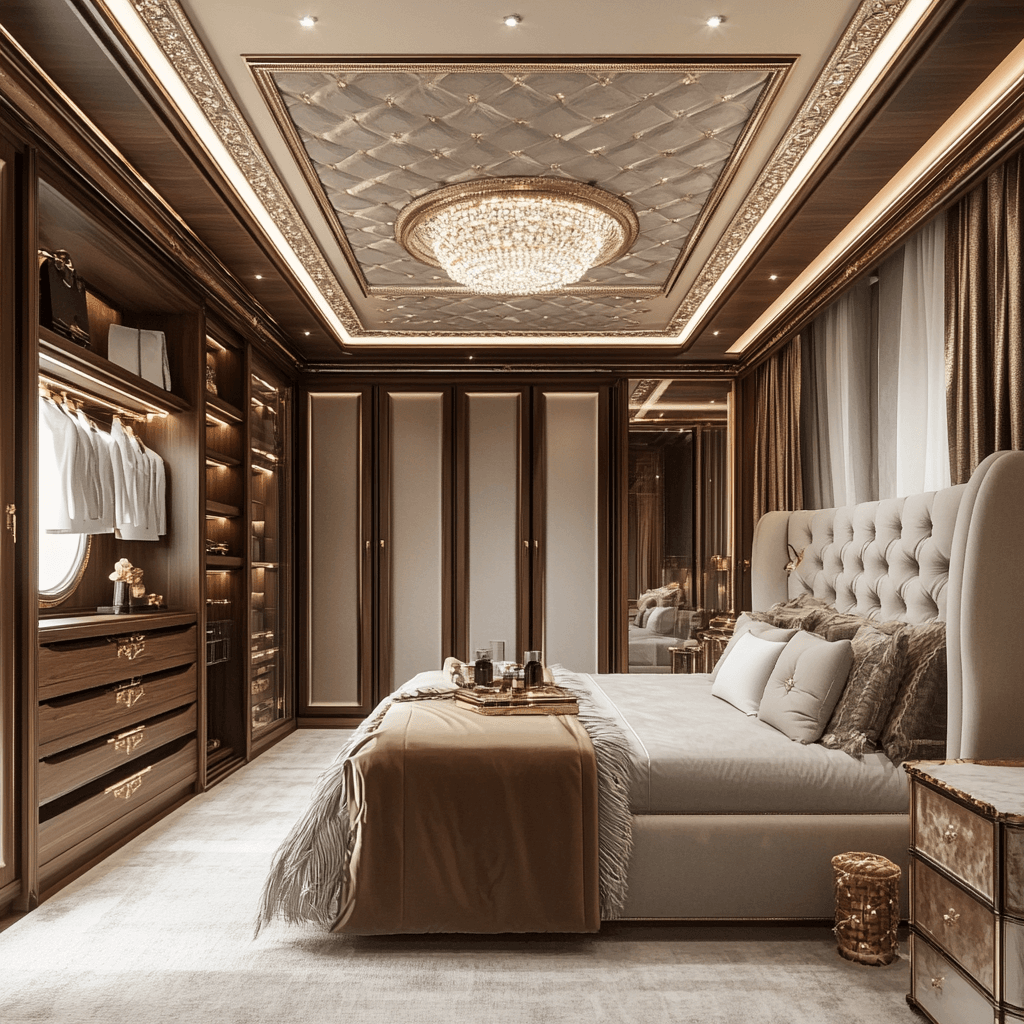
The most common mistake buyers make is falling in love with the look of a wardrobe before the internal logic has been solved. Layout should come first. Begin by deciding whether the room is a reach-in wardrobe, a walk-in wardrobe or a full dressing room with island and seating. Then map movement. Can two people use the space comfortably at once? Is there enough clearance for drawers and doors to operate without conflict? Does the dressing mirror sit in a practical position relative to light and circulation?
Once movement is clear, the internal configuration becomes easier. Long hanging, short hanging, shelving, drawers, shoe storage, accessory trays, luggage areas and concealed sections should all reflect the user’s real habits. A wardrobe designed around fantasy categories, ten evening gowns for someone who lives in kaftans and tailoring, for example, is simply expensive theatre.
Material calm is usually more luxurious than visual noise
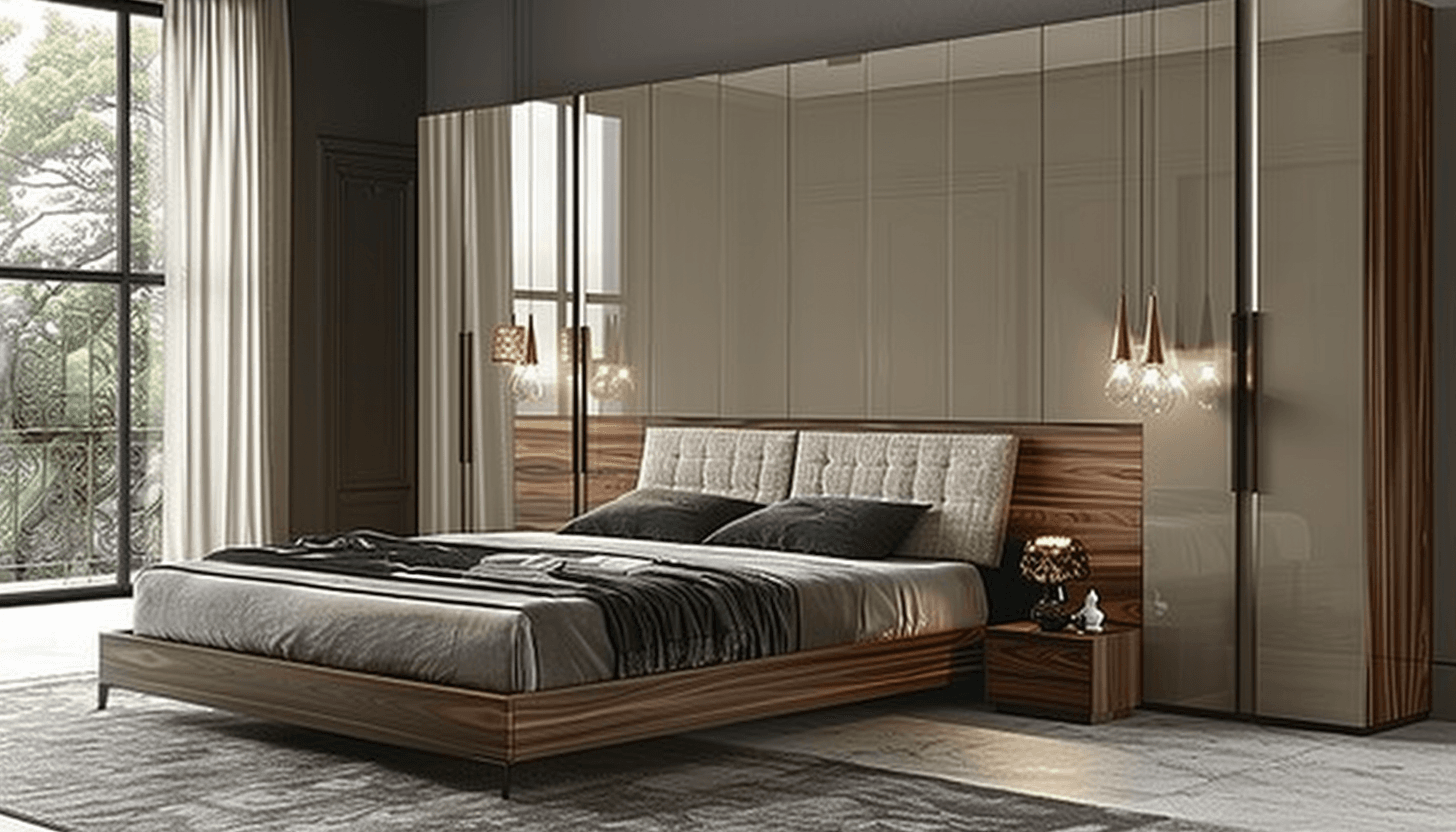
Luxury wardrobes in Abuja tend to perform best when the material palette is controlled. This does not mean boring. It means composed. Smoked glass, refined timber tones, matte lacquers, soft-touch interiors, leather-lined accessories and brushed metal detailing can create richness without making the room feel overloaded. Poliform-style wardrobe systems are influential because they understand this balance well. They deliver precision, not fuss.
Many buyers overestimate how much visible detail a wardrobe needs. Too many contrasting finishes, bright trims or aggressively decorative handles usually make the room feel smaller and less expensive. In a premium residence, restraint reads as confidence. The wardrobe should reward close use, not shout across the room.
Lighting is where many wardrobe projects win or lose
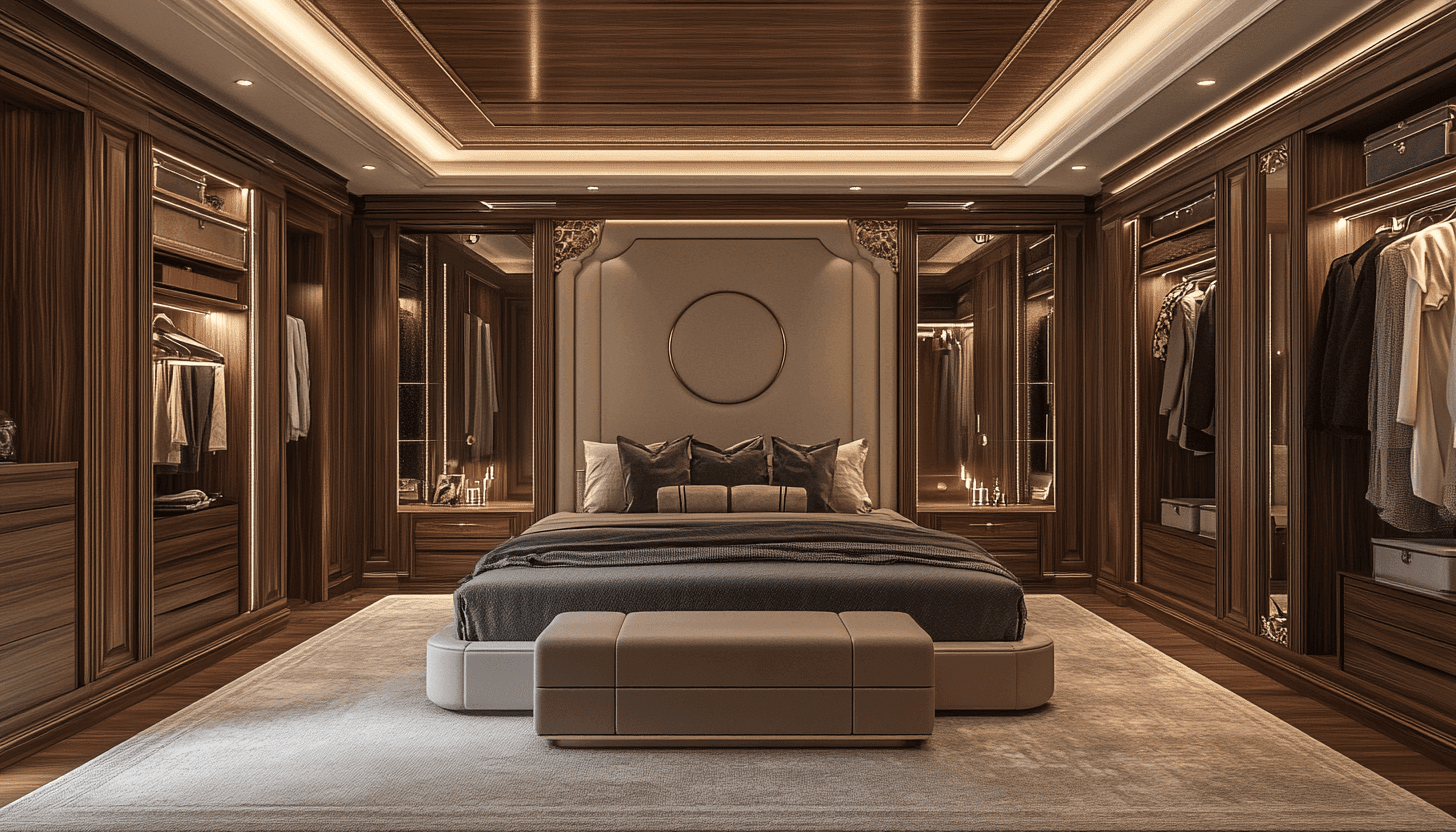
Good wardrobe lighting does two jobs. It helps the user see properly, and it shapes mood. Both matter. Harsh overhead light can flatten textures and make the space feel clinical. Insufficient lighting makes a beautiful wardrobe irritating to use. The right solution is layered: general ambient light, integrated joinery lighting and task-focused illumination near mirrors or dressing counters.
Integrated lighting inside hanging sections and shelves is especially valuable because it improves usability without adding visual clutter. Mirror lighting should flatter skin tone rather than create shadows. If the wardrobe includes a central island, lighting should support accessory selection without turning the room into a jewellery counter. This is one of those categories where technical precision quietly creates the feeling of luxury.
Open display versus concealed storage, choose the right ratio
Not everything should be visible. This is where many otherwise expensive wardrobes become messy. A fully open wardrobe can look beautiful in styled photographs and still feel chaotic in daily life. A fully closed wardrobe may look neat but can become frustrating if frequently used items are hidden too deeply. The right answer is usually a mix.
Use open sections for selected handbags, shoes, folded knitwear or a tightly edited display zone. Keep bulk storage, seasonal items and less visually tidy categories behind doors or tinted glass. In Abuja residences, where bedroom suites often aim for calm elegance, concealment is usually doing more of the heavy lifting than display. Buyers who understand that early tend to get a better result.
What to ask before committing to a wardrobe supplier
Ask whether the proposal begins with user profiling or jumps straight to finishes. Ask for internal layouts, not just external elevations. Ask how lighting is integrated and maintained. Confirm whether installation tolerances have been considered against actual site conditions. If the wardrobe is imported or based on a modular system, ask about lead times and adaptation to room dimensions. If it is bespoke, ask to inspect joinery quality in person.
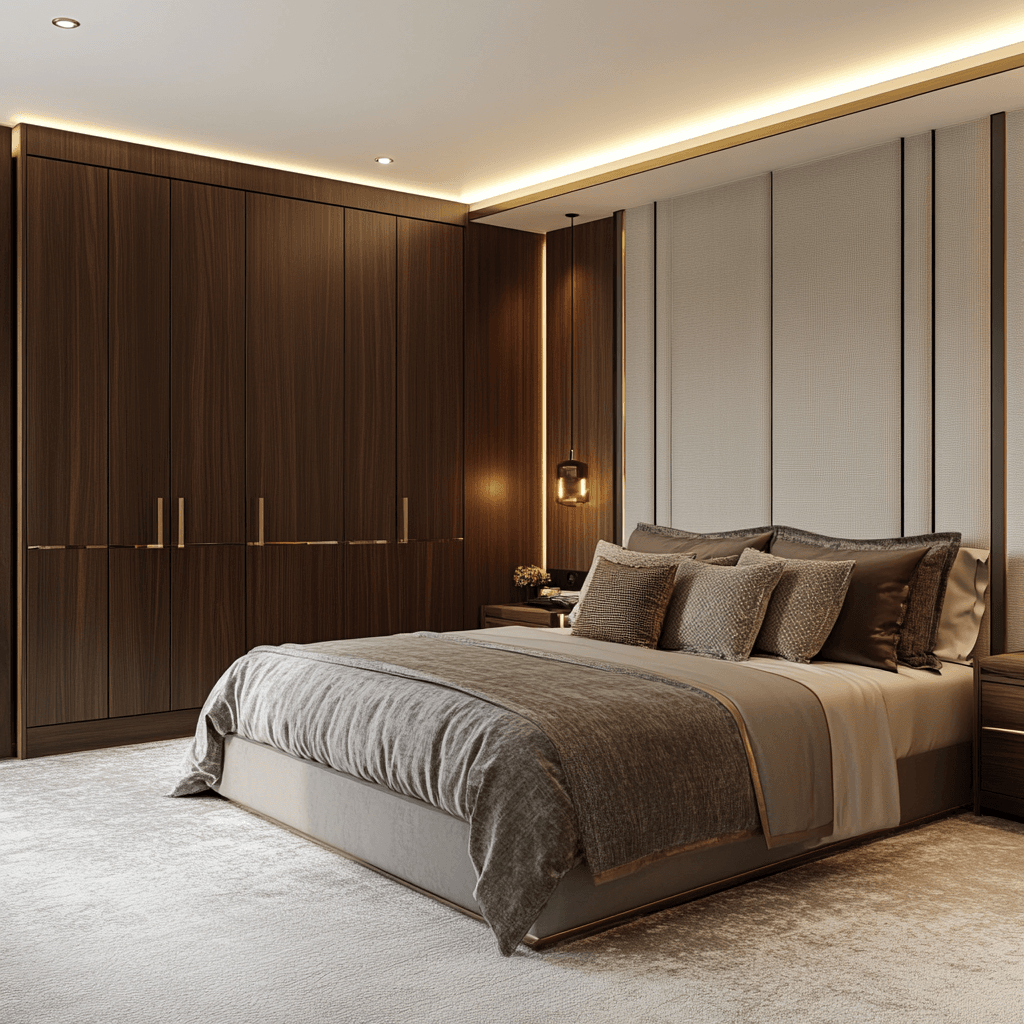
It is also worth asking how the wardrobe connects to the rest of the suite. Does the material palette relate to the bed, bedside pieces and flooring? Does the lighting language match the bedroom? Is there enough visual distance between the sleeping area and the dressing area so the room still feels restful? Luxury wardrobes should support the suite, not behave like a separate showroom inserted into it.
Common mistakes to avoid
Leaving wardrobe planning too late is the classic error. By then, ceiling details, switches, mirrors and electrical points may already be fixed, reducing what the design can achieve. Another mistake is oversizing islands or seating so circulation becomes clumsy. A third is ignoring the user profile and designing for status imagery instead of real routine. The room may look impressive on handover day and become mildly annoying every morning afterwards.
There is also the temptation to overfill. More drawers, more compartments and more display are not always better. Sometimes the most luxurious choice is to simplify, allow breathing room and let the best materials and proportions do the work.
A wardrobe should make the whole bedroom suite feel better
The best luxury wardrobes in Abuja do not just organise belongings. They improve the atmosphere of the home. They reduce visual noise, support routine, protect privacy and make the suite feel more complete. That is why wardrobe design deserves the same seriousness as the living room or kitchen. It may be more private, but it is one of the rooms clients experience most intimately and most often.
If you are planning a premium home in Maitama, Asokoro or another high-end Abuja address, treat the wardrobe as architecture from day one. That is how it becomes something more valuable than storage. It becomes part of how the home lives.
Next step: explore wardrobe design, compare fitted and walk-in options with FCI Nigeria, or book a consultation for your Abuja residence.
Frequently Asked Questions
What makes a luxury wardrobe different from a standard fitted wardrobe?
Luxury wardrobe systems from brands like Poliform and Lema offer precision-engineered internal components, integrated lighting, soft-close mechanisms and finish options that standard fitted wardrobes cannot match. They are designed as furniture, not just storage.
How much space do I need for a walk-in wardrobe in Abuja?
A well-configured walk-in for two users typically needs a minimum of 3 by 3 metres, though 4 by 4 metres allows a more comfortable layout with a central island and seating.
Can FCI Nigeria install luxury wardrobes in Abuja?
Yes. FCI Nigeria manages the full process: room survey, design configuration, ordering, shipping, customs and professional installation in Maitama, Asokoro, Wuse 2 and other premium Abuja locations.
Get in touch
Want to get in touch? We'd love to hear from you. Email us at [email protected]
Sign Up for Newsletter