

The Italian Standard: Why Lagos and Abuja Keep Coming Back
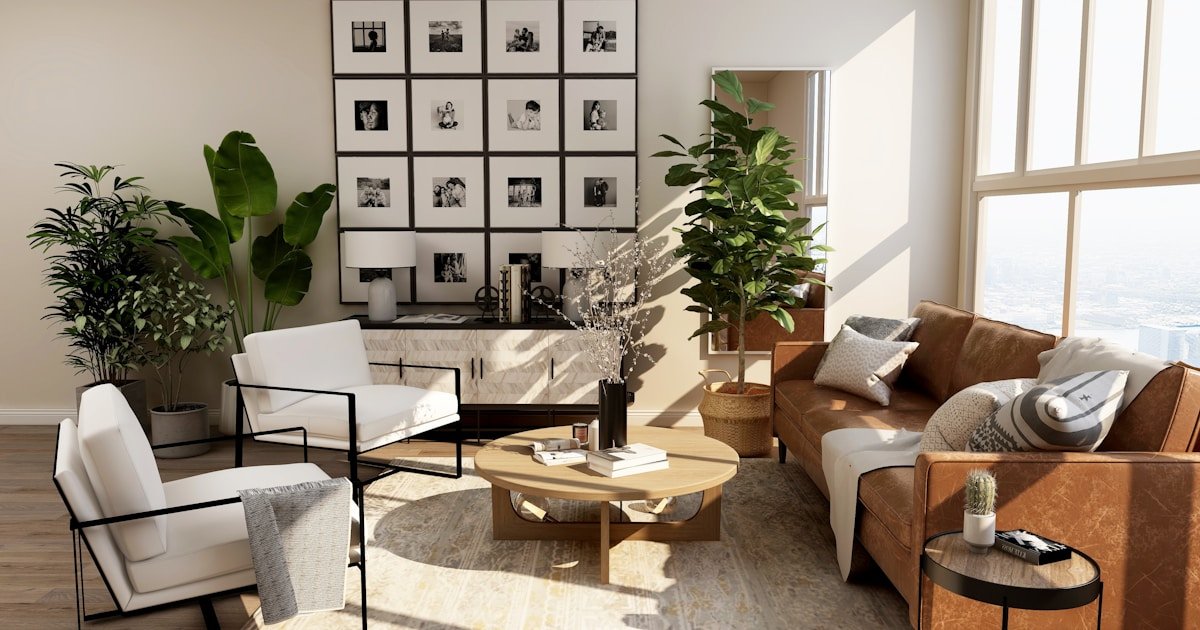
Walk into any seriously finished home on Banana Island or in Maitama and count the Italian names. Minotti in the living room. Poliform in the dressing room. Ernestomeda or Dada in the kitchen. Flos overhead. This is not coincidence and it is not snobbery. It is the result of a design ecosystem that has spent seventy years solving the same problem Nigerian luxury buyers face today: how to make a home feel both commanding and effortlessly liveable.
Italian furniture dominates premium Nigerian interiors for three reasons that matter commercially. First, depth of range. A brand like Poliform does not just make one beautiful shelf. It produces an entire system of wardrobes, kitchens, living storage and bedroom furniture that can coordinate across an entire residence. For a buyer furnishing a four-bedroom penthouse in Ikoyi, that system-level thinking eliminates the visual patchwork that comes from sourcing piecemeal.
Second, material confidence. Italian manufacturing still leads on leather finishing, lacquer quality, engineered wood precision and metal detailing. When a Cattelan Italia dining table arrives in Lagos, the edge profile, the base engineering and the surface treatment all communicate a level of industrial care that is difficult to replicate at the same price point elsewhere.
Third, design restraint. The strongest Italian brands know when to stop. They resist ornament for its own sake. In a Lagos context where scale is generous and architectural ambition is high, that restraint prevents interiors from tipping into visual noise. The room breathes. The furniture earns its place by doing less, better.
What Nigerian Buyers Get Wrong About Italian Furniture
The most common mistake is buying the brand name without buying the room. A Flexform sofa is a world-class piece of furniture, but it will underperform if the room around it has no lighting plan, no colour discipline and no consideration of how the family actually uses the space. Italian furniture works best inside a coherent design scheme, not as a standalone trophy.
The second mistake is ignoring logistics and aftercare. Imported furniture in Nigeria needs proper climate consideration. Solid wood pieces respond to humidity. Leather needs conditioning in tropical heat. A serious supplier like FCI Nigeria handles specification, shipping, customs, delivery and installation as a single managed process, which is why the project experience differs dramatically from ordering direct.
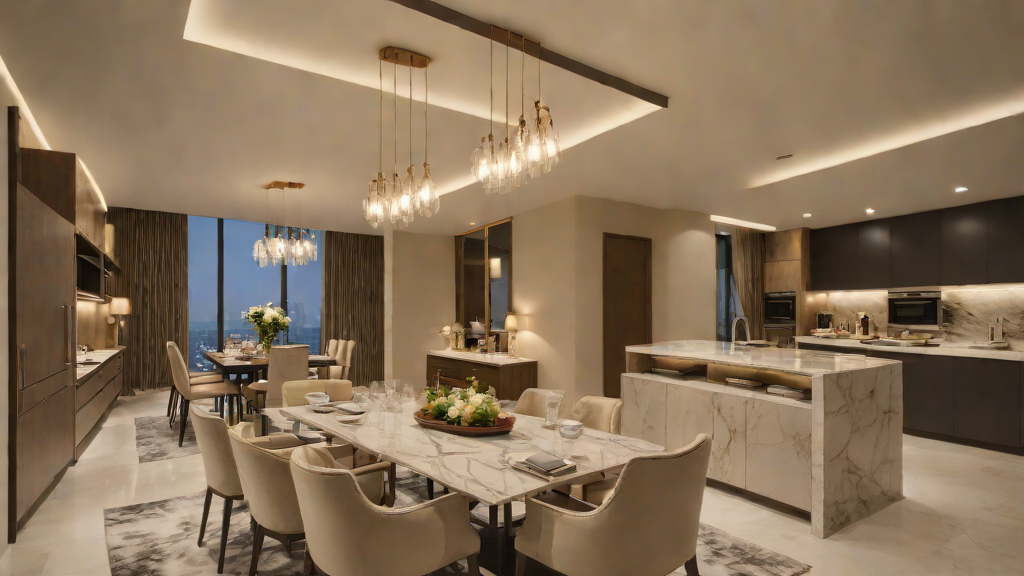
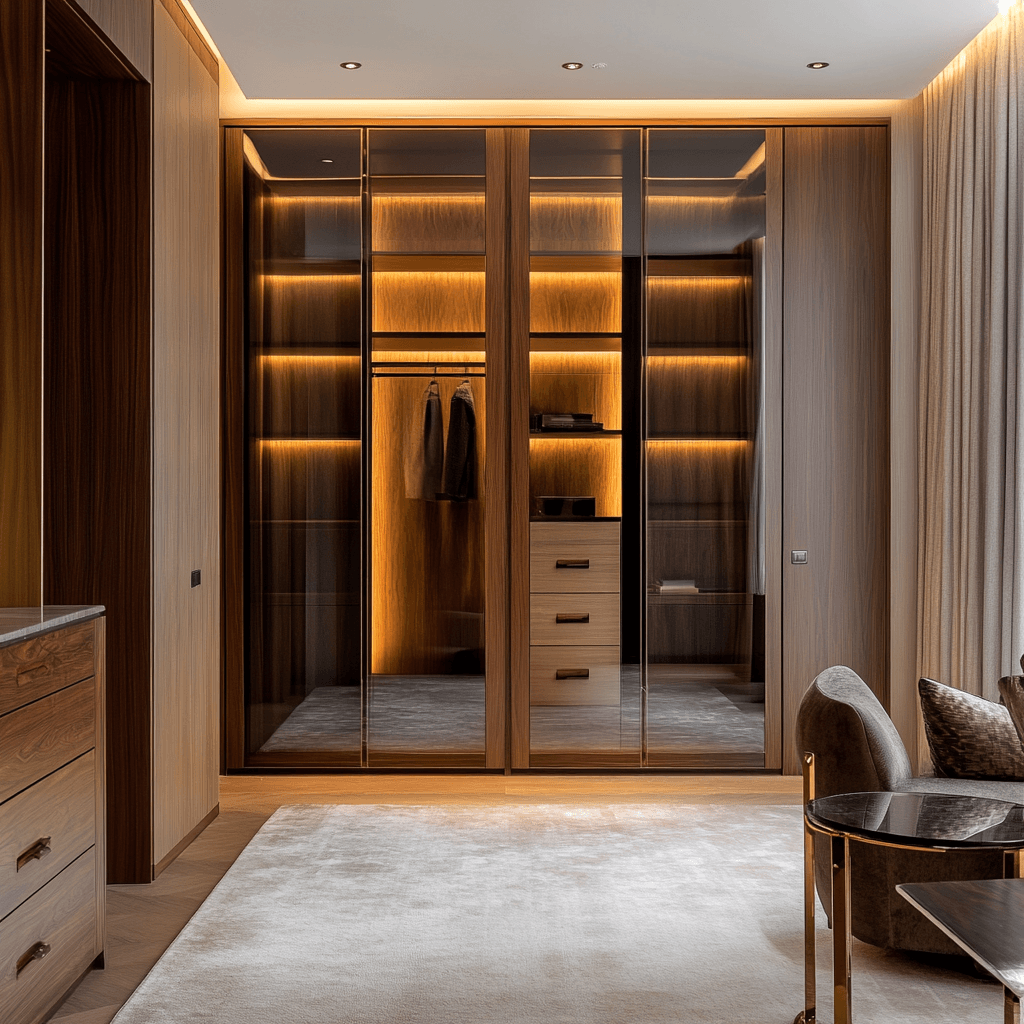
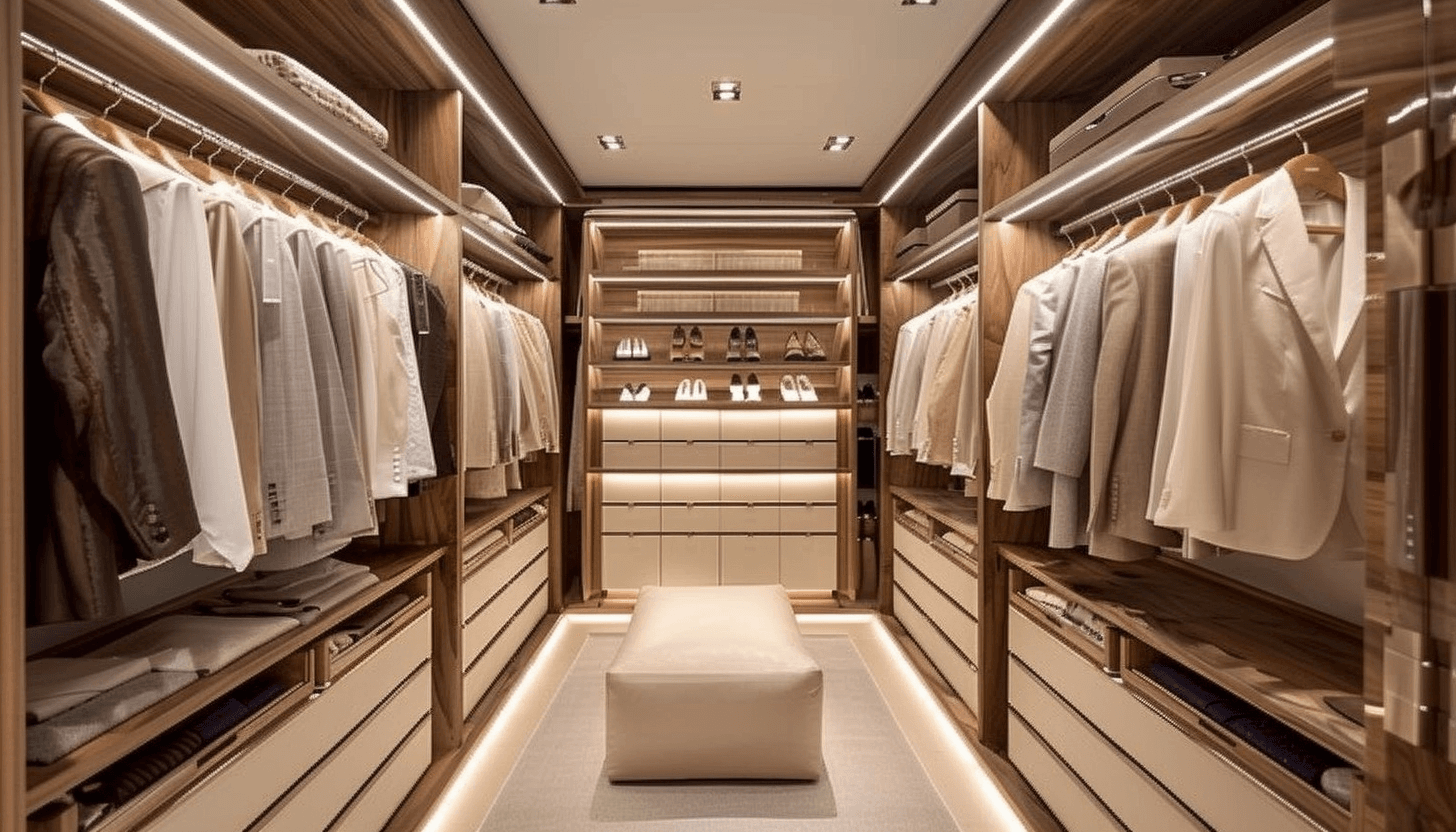
The third mistake is treating every room equally. The smartest buyers allocate budget where it creates the most impact. A spectacular dining table and sculptural lighting in the entertaining space, a precision kitchen with integrated appliances, a walk-in wardrobe system that actually organises life. Then they keep secondary spaces simple and clean. The result is a home with clear moments of excellence rather than uniform expense.
How FCI Nigeria Bridges the Gap
FCI Nigeria exists because there is a gap between the buyer who knows what good looks like and the fragmented supply chain that makes it difficult to achieve in West Africa. The company operates as a full-service interiors partner: furniture, kitchens, wardrobes, lighting, joinery and project coordination, all sourced from the same European design ecosystem and delivered with local execution knowledge.
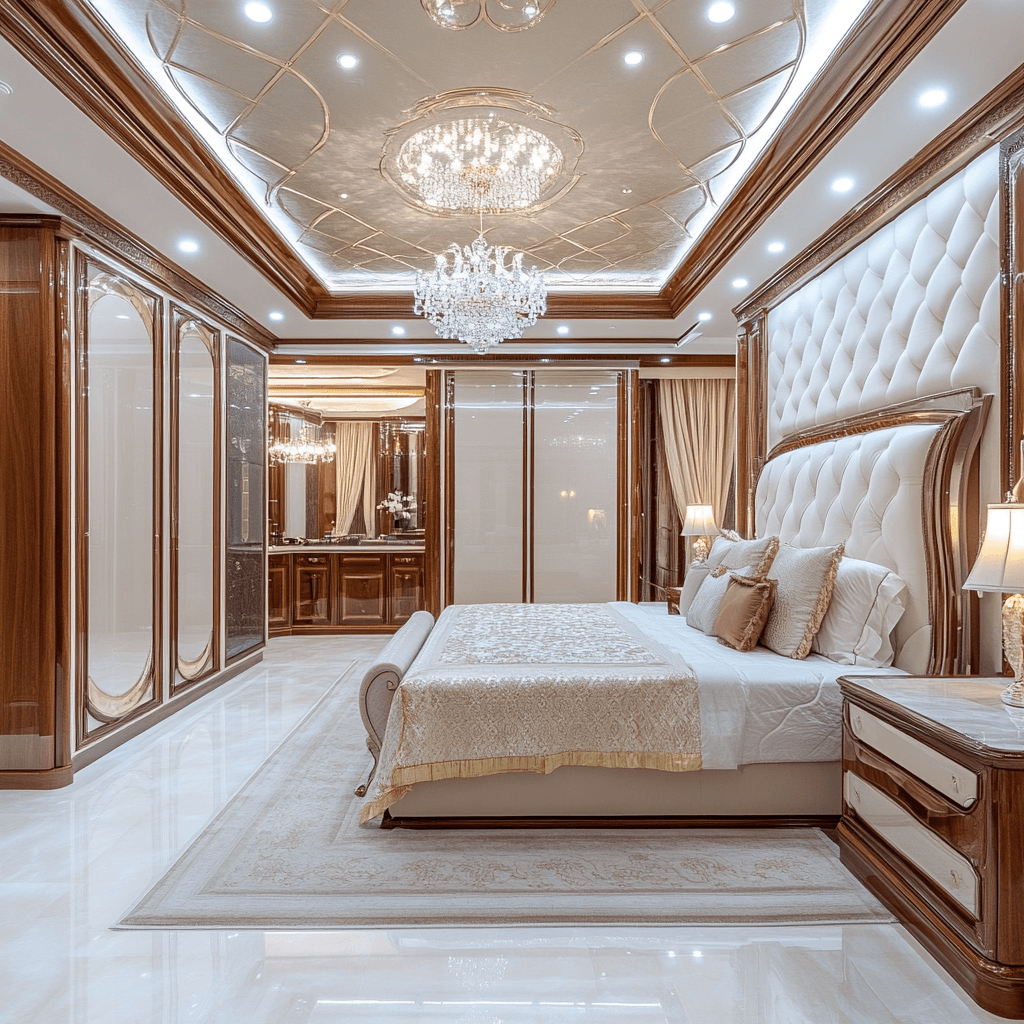
For an architect in Abuja specifying a residential project, that means one relationship covers multiple room categories. For a homeowner in Lagos, it means the wardrobes actually match the bedroom furniture, the kitchen appliances are specified to work with the cabinetry, and the living room scheme was planned as a whole rather than assembled from separate shopping trips.
This is the real reason Italian brands keep winning in Nigeria. It is not just the product. It is the infrastructure that delivers the product properly, coordinates it with the rest of the home, and supports it after installation. When that infrastructure works, the home feels resolved. When it does not, even the most expensive pieces look like they are waiting for the rest of the room to catch up.
The Commercial Reality
Premium furniture is a considered purchase. Lagos and Abuja buyers are typically spending between six and eighteen months on a furnishing project, often alongside construction or renovation. During that window, they need a partner who can hold a vision across multiple categories, manage procurement timelines, coordinate deliveries to site, and solve problems when specifications change.
That is a different proposition from a showroom that sells sofas. It is closer to a design consultancy that happens to have access to the best furniture in the world. FCI Nigeria positions itself in exactly that space, and it is the reason the Italian brands it carries consistently outperform alternatives that arrive without context, without coordination and without aftercare.
Frequently Asked Questions
Why are Italian brands so important in the Nigerian luxury market?
Italian brands combine design authority, manufacturing precision, material quality and system-level range depth in a way that strongly supports premium positioning in Lagos and Abuja homes.
Do buyers choose Italian brands for prestige or practicality?
Both. Prestige and design credibility matter, but so do material durability, modular flexibility, aftercare infrastructure and the ability to coordinate multiple room categories from one design ecosystem.
Should you buy one Italian brand across the whole home?
Not necessarily. The strongest homes are usually curated by category and room function, mixing brands that excel in different areas while maintaining a coherent material and design language throughout.
How does FCI Nigeria help with Italian furniture procurement?
FCI Nigeria manages the entire process: specification, ordering, shipping, customs, delivery and installation, plus coordination across furniture, kitchens, wardrobes and lighting so the whole home lands as one resolved scheme.
Ready to start your project? Book a consultation with FCI Nigeria, visit the showroom, or message the team on WhatsApp to discuss your home in Lagos or Abuja.
Get in touch
Want to get in touch? We'd love to hear from you. Email us at [email protected]
Sign Up for Newsletter