

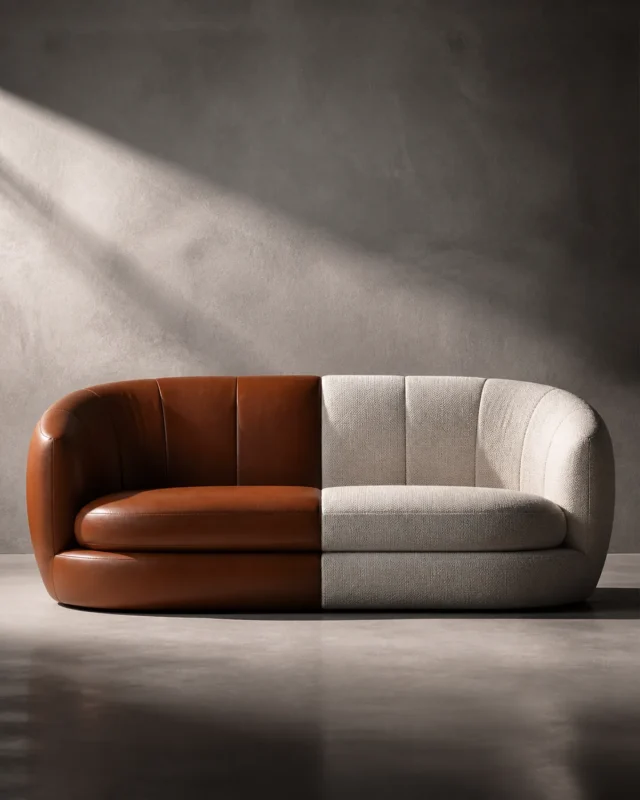
Walk into any Lagos showroom and someone will tell you leather is tougher, or that fabric is cooler, as though the argument were already settled. It is not. The honest answer is that neither material wins automatically, and what truly decides the winner sits in the detail of your own home rather than on the label.
TL;DR: Neither leather nor fabric wins automatically in Lagos; the right choice depends on your air-conditioning, humidity, dust, sunlight, household size and cleaning habits, so buy the evidence, not the category.
Key Takeaways
- Neither leather nor fabric is automatically better; a well-specified fabric can outperform the wrong leather, and a suitable leather can be easier to live with than a fragile decorative textile.
- Start by deciding which failure you cannot tolerate: spills, abrasion, colour change, snagging, mould, scratches or cleaning damage.
- "Leather" and "performance fabric" are not specifications; ask for the exact finish name, the maker's written care guidance and the technical test data.
- Lagos humidity does not guarantee mould; control the room and never apply a cleaner the maker has not approved.
- Test every sample in your own light, against your household's real spills, and read the warranty and care exclusions before you pay.
- For mixed-use homes, different materials may suit different rooms rather than one answer everywhere.
So which is better for Lagos, leather or fabric?
Neither material automatically wins. A well-specified fabric can outperform the wrong leather, and a suitable leather can be easier to live with than a fragile decorative textile. In Lagos, air-conditioning patterns, coastal humidity, dust, sunlight, household size and cleaning habits matter as much as the category on the label. The better buying decision comes from matching an exact upholstery specification to an exact room.
Where should I start when choosing a sofa material?
Start with how the sofa is most likely to fail, then decide which failure you cannot tolerate after two years. Imagine the most probable problem:

- Oily marks and food spills in a busy family room
- Abrasion on the favourite seat
- Colour change beside strong glazing
- Snagging from jewellery or pets
- Mould risk in a poorly ventilated, intermittently cooled room
- Scratches on leather
- A cleaning product that damages the finish
A formal reception room in Ikoyi does not need the same specification as a Lekki family lounge used every evening. FCI Nigeria's interior design consultation process starts with preferences and expectations. Add daily-use evidence: who sits where, what gets spilled, whether pets use the sofa and how often the room is cooled.
What does leather do well, and where does it disappoint?
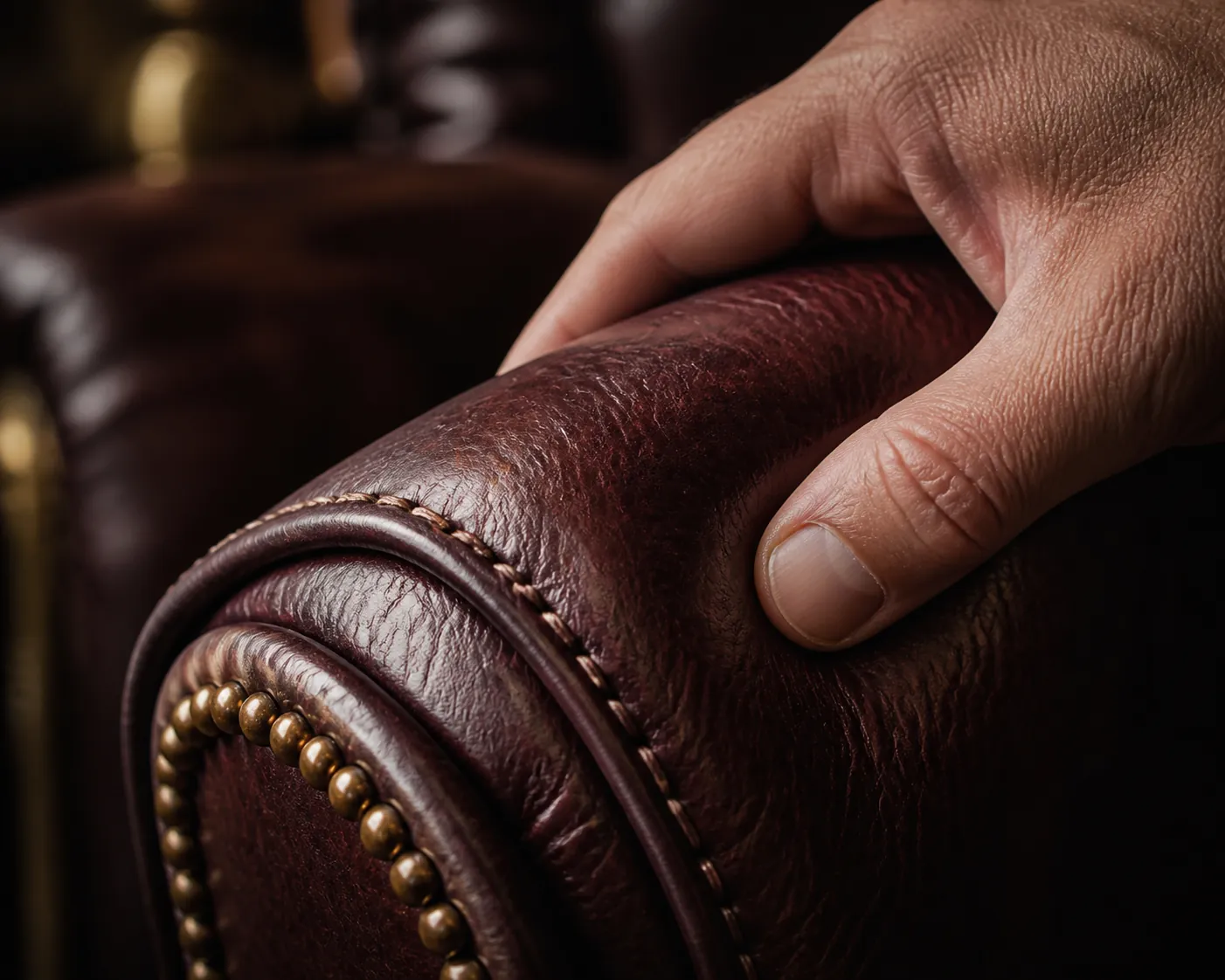
Leather has a smooth surface that can be practical for routine dusting, and many buyers value the way appropriate natural leather develops character. But "leather" covers materially different products and finishes. Ask whether the sample is aniline, semi-aniline, pigmented or coated, and request the maker's written care guidance. A more protected finish may resist some everyday marks better than an unprotected one, but appearance and feel differ, and natural markings are not automatically defects. "Genuine leather" alone tells you very little about grade, finish, backing or serviceability.
The limitations are just as real. Leather can scratch. Direct light and inappropriate cleaners can alter colour or finish. It may feel warm when the room is warm. If you dislike visible patina, say so before purchase rather than expecting all leather to remain uniform.
What does fabric do well, and where does it disappoint?
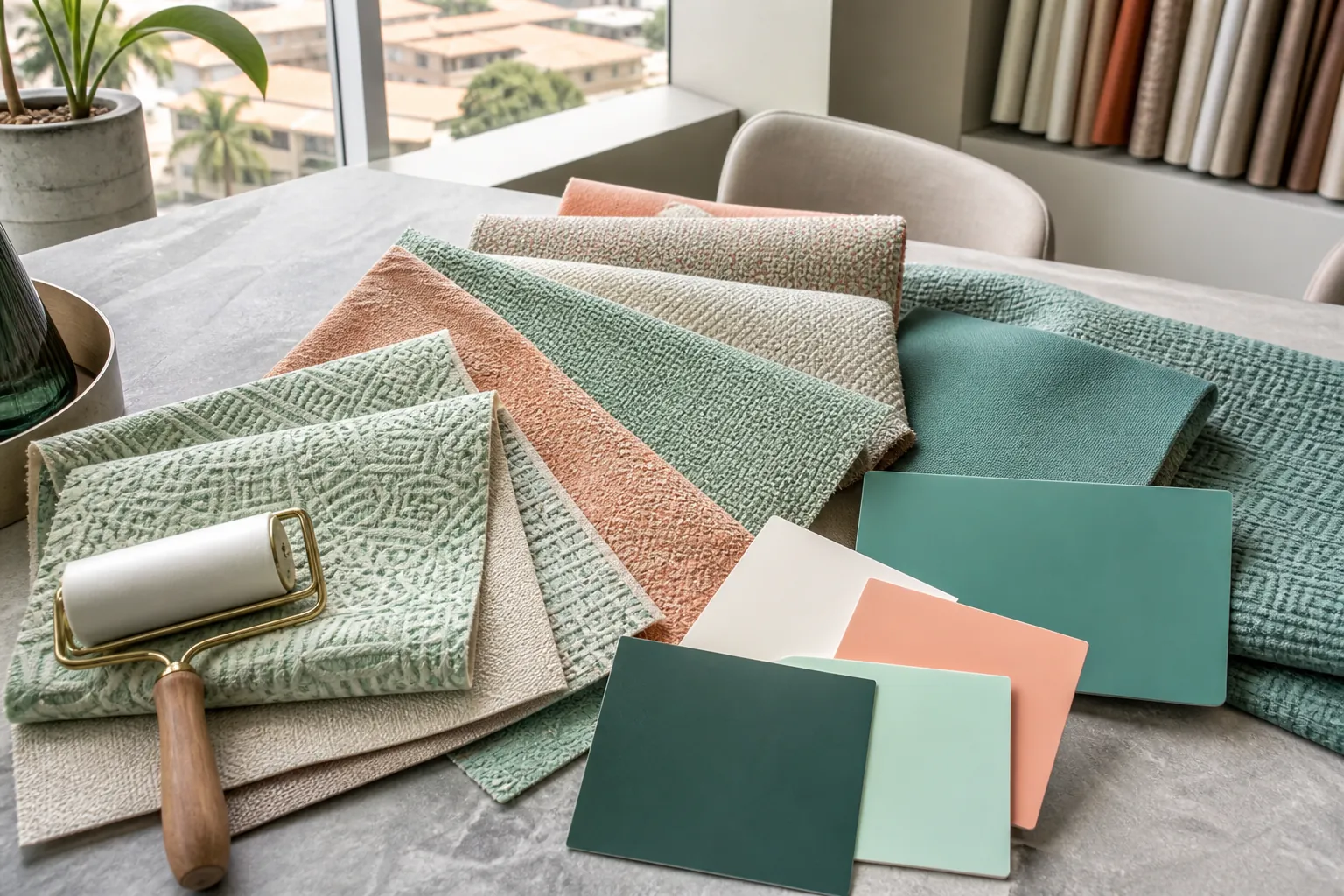
Fabric offers wider colour, pattern and tactile choices, and a subtle weave or pattern can disguise lint and minor variation better than a flat, very dark surface. It may feel less temperature-sensitive to bare skin. But "performance fabric" is not a complete specification. Ask for the technical sheet for the exact textile and colourway, including abrasion method and result, lightfastness, colourfastness to rubbing, pilling, composition, fire information, cleaning code and any stain treatment. Laboratory tests compare defined conditions; they do not reproduce your home or guarantee resistance to every spill, claw or cleaner.
Watch the risk factors too. Open bouclé, loose loops and delicate piles may be wrong for an animal that scratches, and removable covers are not necessarily machine-washable. Confirm the approved route in writing.
Will Lagos humidity leave my sofa covered in mould?
No, humidity does not mean every sofa will develop mould. Mould requires a suitable combination of moisture, organic material, temperature and time. The practical response is to control the room and investigate persistent damp rather than spray upholstery indiscriminately:
- Keep the piece away from active leaks and damp walls
- Maintain ventilation or cooling appropriate to the building and manufacturer guidance
- During Harmattan or dusty periods, remove loose dust gently before rubbing it into the surface
- If a room is closed for long periods, arrange inspection and environmental management rather than assuming occasional air-conditioning will solve hidden moisture
Do not apply bleach, alcohol, saddle soap, steam, oils or a social-media stain recipe unless the furniture maker approves it for that exact material. Spot-test only as directed, and professional cleaning must also follow the specification.
How do I test a sofa properly in the showroom?
Put every sample through a six-part showroom test before you commit:
- Large sample. Take a sample home if available and view it in morning and evening light, beside your flooring and curtains, because small swatches conceal scale and colour interaction.
- Hand and clothing test. Sit on the actual upholstery where possible and consider heat, texture, noise, slipperiness and friction with the clothes normally worn at home.
- Household evidence. Compare the sample with pet hair, lint and the colours of common spills without damaging a showroom sample, and ask whether a sacrificial sample can be tested with the approved cleaner.
- Construction. Inspect seams, piping, zips, cushion rotation and high-wear edges, because upholstery cannot compensate for a poorly supported seat or vulnerable trim.
- Service route. Ask whether cushion covers, panels or material can be reordered, for how long that is expected, and what happens if the sofa needs repair. Do not assume an exact colour match years later.
- Written exclusions. Read the warranty and care exclusions before paying, and ask what delivery, assembly and aftercare include in Nigeria.
FCI Nigeria's article on how Lagos interior designers source premium furniture explains why specification and logistics should carry more weight than labels alone.
How do I make the final decision?
Use a practical decision matrix rather than a gut feeling.
Choose a protected leather shortlist when:
- Easy surface dusting matters
- A tailored appearance matters
- You accept the patina leather develops
- The household accepts scratch risk and maker-approved maintenance
Choose a tightly woven fabric shortlist when:
- Tactile comfort matters
- Pattern choice matters
- Hair camouflage matters
- You can follow the textile's cleaning route
Choose neither yet when:
- The room has unresolved damp
- The technical sheet is unavailable
- The seller cannot explain cleaning
- The sample has not been seen in your light
For mixed-use homes, one answer need not cover every room. Leather dining chairs, a textured fabric lounge sofa and a more robust media-room textile may be more intelligent than repeating one material everywhere.
What should I ask in the showroom?
Take a fixed set of questions to the showroom and expect clear answers:
- What is the exact material and finish name?
- Which test data apply to this colourway?
- What does the maker approve for routine and spill cleaning?
- Are covers removable, washable or professionally cleanable?
- What are the light, pet and transfer-dye cautions?
- Can high-wear components be replaced?
- How should the sofa be stored or maintained during long absences?
- Which claims are manufacturer warranties, and which are sales descriptions?
The verdict
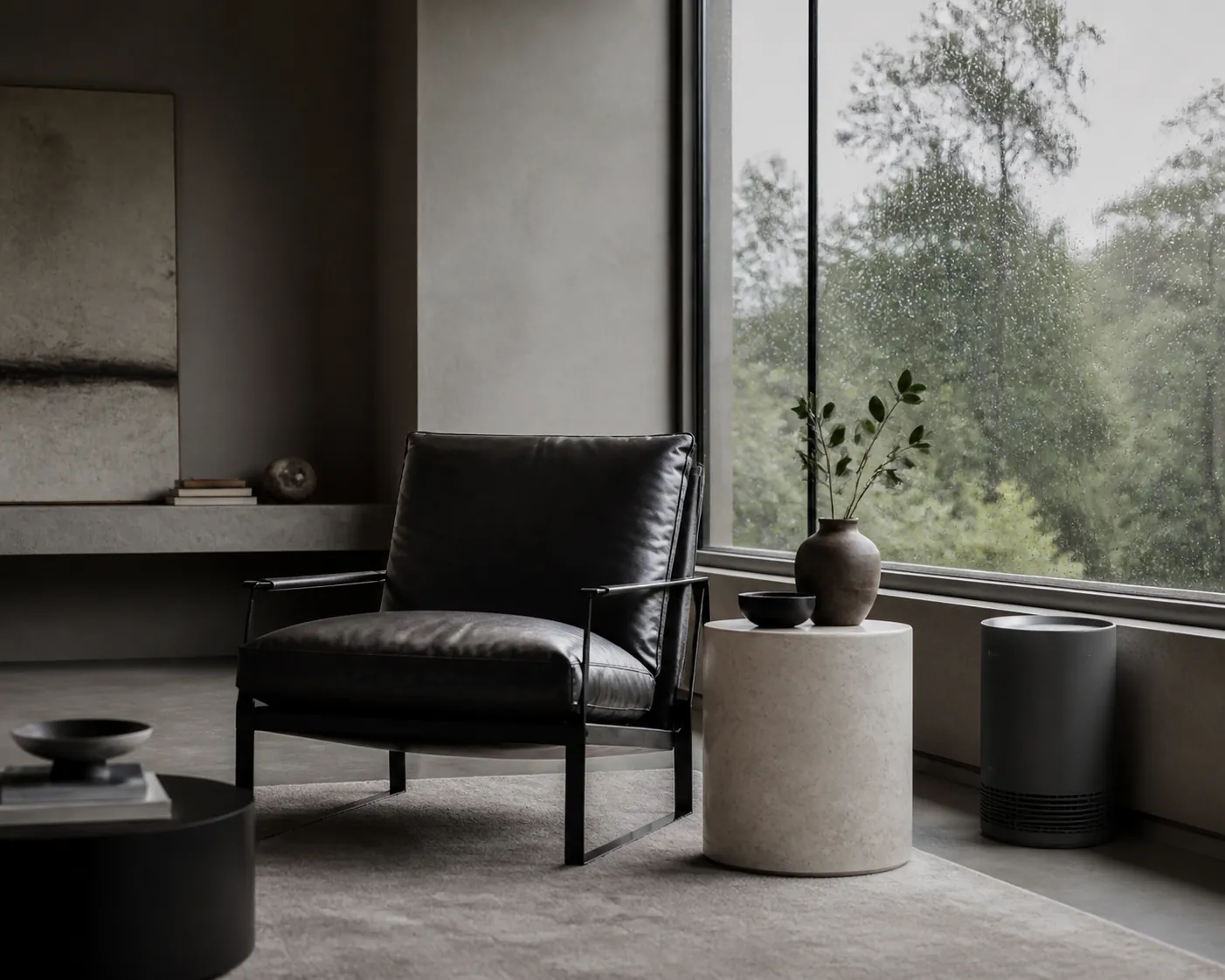
Buy the evidence, not the category. Lagos conditions make room management and a realistic maintenance plan essential, but they do not produce one universal winner. The best sofa is the one whose comfort, ageing pattern and care burden your household knowingly accepts.
Explore FCI Nigeria and book a consultation with photographs, room conditions and your honest use brief. Ask to compare exact leather and fabric samples, not generic labels.
Get in touch
Want to get in touch? We'd love to hear from you. Email us at [email protected]
Sign Up for Newsletter